
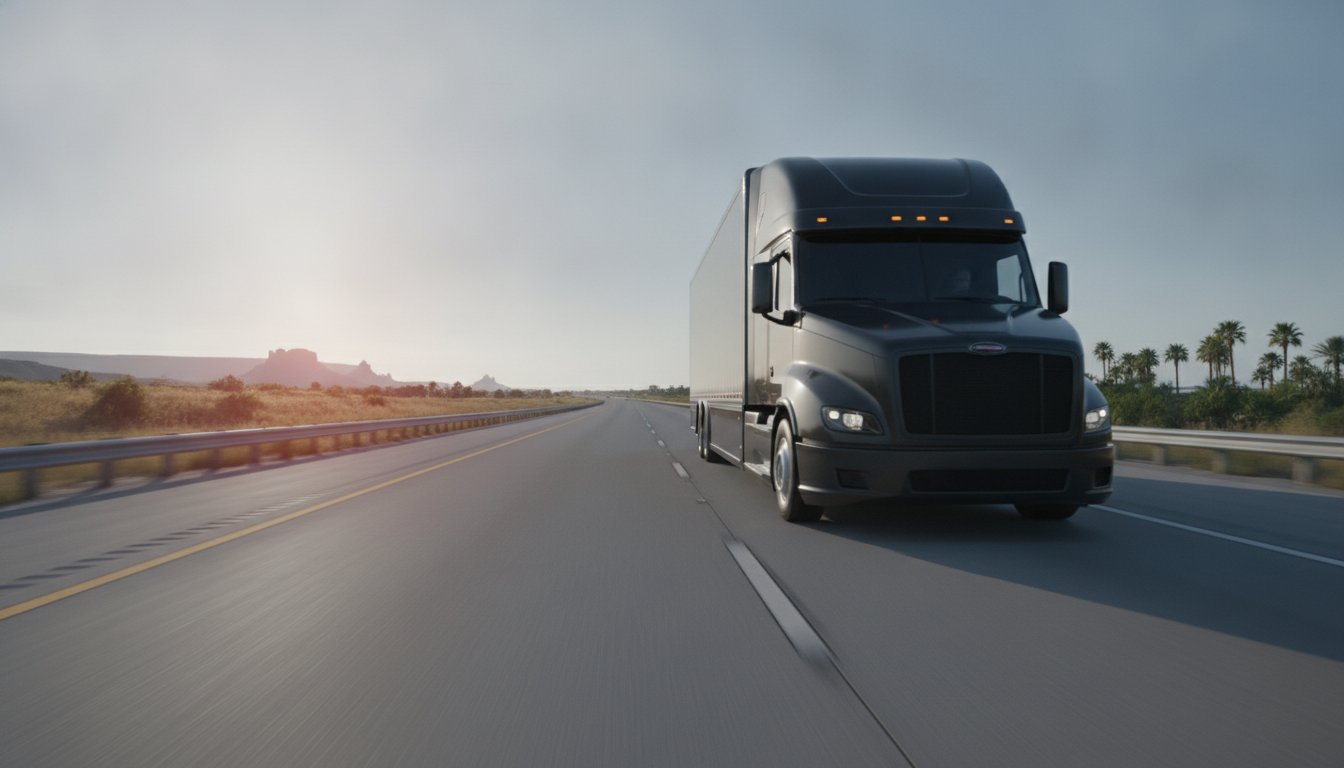
Entrusting a high-value asset to a 1,300-mile journey across the Southern United States is not merely a logistical task; it’s a significant transfer of responsibility that demands absolute precision. Many owners experience a justifiable sense of trepidation when coordinating vehicle transport from Texas to Florida, often struggling to discern the vital differences between administrative brokers and the carriers who physically manage the transit. You deserve a transition that prioritizes the integrity of your vehicle while respecting the complexities of interstate regulations.
This 2026 professional guide offers a comprehensive analysis of the standards required for a seamless delivery. We’ll explore the critical logistics of the Texas to Florida corridor, including the mandatory ten-day registration window for new Florida residents and the essential insurance protocols necessary for the Sunshine State. By understanding these operational nuances, you can ensure a transparent experience that upholds the value of your vehicle from the initial loading in Texas to its final arrival at your Florida destination.
Key Takeaways
- Identify the primary transit routes from Texas metropolitan hubs to Florida to ensure a sophisticated and predictable logistical flow.
- Discern the appropriate service level for your vehicle by comparing the standard efficiency of Open Car Transport with the exclusive protection of Enclosed Car Transport.
- Navigate the complexities of vehicle transport from Texas to Florida by understanding how vehicle dimensions and current fuel variables influence your logistical planning.
- Prepare for a seamless transition by mastering Florida’s specific registration deadlines and the essential documentation required for interstate delivery.
- Recognize the professional standards necessary for a damage-free transit, including rigorous carrier vetting and meticulous pre-transport inspections.
Navigating the Texas to Florida Vehicle Transport Corridor
The transit corridor connecting Texas to Florida represents one of the most active logistical arteries in the United States. Spanning approximately 1,300 miles across the Gulf Coast, this route facilitates the movement of thousands of vehicles annually. Achieving a seamless result requires an understanding of how the auto transport industry works, particularly the coordination between logistics planners and specialized carriers. Professional vehicle transport from Texas to Florida involves more than simply moving a car from point A to point B. It's a high-stakes operation that demands route-specific expertise and a commitment to detail.
Carriers typically traverse the I-10 or I-20 corridors, navigating through Louisiana, Mississippi, and Alabama before reaching the Florida panhandle. This high-volume demand ensures that carriers are frequently available, though it also requires meticulous scheduling to avoid the delays often associated with such a busy thoroughfare. Our team views each transit as a customized project, ensuring that the unique requirements of your vehicle are met with precision.
To better understand the nuances of interstate transit, watch this helpful video:
Major Hubs: From the Lone Star State to the Sunshine State
The logistical significance of Texas metropolitan areas like Houston, Dallas-Fort Worth, and Austin cannot be overstated. These cities serve as primary departure points where logistics teams consolidate shipments for maximum efficiency. If your vehicle is located within these urban centers, pickup windows are generally more flexible due to the high density of available carriers. Conversely, rural locations outside these hubs may require a wider scheduling window, as carriers must deviate from primary interstates to reach your doorstep.
Once the journey reaches Florida, the delivery landscape shifts toward major coastal and central hubs. Miami, Orlando, Tampa, and Jacksonville are the most frequent destinations. Each region presents unique logistical considerations; for instance, the dense traffic of South Florida requires a driver with specific experience in metropolitan navigation. For those requiring a tailored logistical plan, requesting a personalized quote provides the clarity needed for such a significant move.
Seasonal Demand and the "Snowbird" Effect
Timing is a critical factor in interstate logistics. The "Snowbird" effect, a well-documented seasonal migration, significantly impacts carrier availability and transit schedules. During late spring and early autumn, demand for transport services often surges as residents move between their Texas and Florida properties. Planning your transport outside these peak windows can offer greater flexibility, though our established network maintains a steady operational flow year-round.
Weather also plays a sophisticated role in scheduling. Florida’s climate, particularly during the Atlantic hurricane season, requires constant monitoring to ensure the safety of the cargo. A seasoned expert doesn't just drive; they analyze weather patterns and adjust routes to avoid potential disruptions. This commitment to safety is a non-negotiable pillar of our service, ensuring your vehicle arrives in the same condition it departed.
Selecting the Optimal Transport Method: Open vs. Enclosed Carriers
Selecting the appropriate shipping method is a critical step in coordinating vehicle transport from Texas to Florida. While many consider this a binary choice between cost and protection, it's actually a strategic decision based on the specific requirements of your automotive asset. A professional logistics partner helps you navigate these options by adhering to federal consumer protection guidelines, ensuring that every carrier in the network meets rigorous safety and insurance standards. This ensures that the transit is not just a delivery, but a managed logistical operation.
Open Carrier Transport: The Efficient Standard
Open Car Transport serves as the primary industry standard for daily-use sedans and SUVs. These multi-car trailers maximize operational efficiency by distributing transit costs across several vehicles; this makes it a pragmatic choice for many families and corporate relocations. Vehicles are secured using advanced tie-down systems on open-air platforms, providing a reliable journey across the Southern corridor. While the vehicle is exposed to the elements, the high volume of these carriers ensures frequent departure windows and consistent scheduling. It's the ideal solution for standard vehicles where the primary goal is safe, efficient, and timely arrival.
Enclosed Carrier Transport: Sophisticated Protection
For classic cars, high-performance luxury vehicles, or those with significant sentimental value, Enclosed Car Transport offers an unparalleled level of security. These trailers feature hard-sided walls that create a weather-proof environment, shielding your vehicle from road debris, dust, and coastal humidity during the 1,300-mile transit. Choosing this method for your vehicle transport from Texas to Florida ensures that your asset is shielded from the unpredictable weather patterns of the Gulf Coast.
Beyond physical protection, this service level includes specialized handling protocols. Drivers often utilize hydraulic lift gates to accommodate low-clearance vehicles, preventing the undercarriage damage that can occur on traditional ramps. A significant distinction often overlooked by general providers is the disparity in insurance coverage. Premium enclosed services typically carry much higher liability limits, often reaching into the millions, to reflect the high-stakes nature of the cargo. This commitment to safety serves as a non-negotiable pillar for clients who require absolute peace of mind. Every detail, from the soft-tie straps to the climate-controlled environment, is tailored to maintain the vehicle's pristine condition. You may review our full range of specialized transport solutions to determine which method best suits your upcoming relocation.
Analyzing Costs and Transit Times for the 1,300-Mile Journey
Professional vehicle transport from Texas to Florida involves a sophisticated calculation of logistical variables. It isn't a one-size-fits-all service. The final investment for your transit depends on the vehicle's dimensions, its weight, and the precise distance between the pickup and delivery coordinates. In 2026, fuel surcharges remain a dynamic component of interstate shipping, reflecting the current energy market's impact on long-haul logistics. We prioritize transparency in these discussions. We ensure you understand how each factor contributes to the secure movement of your asset. Larger SUVs and trucks occupy more space on a carrier, which influences the available capacity for other vehicles and the overall operational flow.
Vehicle operability is another critical cost driver. If a vehicle can't move under its own power, it requires specialized equipment like winches or forklifts for loading and unloading. Our team manages inoperable vehicle transport with the same level of care as our standard services, though these logistical requirements naturally influence the handling protocols. Clear communication regarding your vehicle's condition allows us to deploy the correct equipment, preventing delays at the point of pickup.
Estimating Your Delivery Window
The 1,300-mile journey typically requires between three and seven days for completion. This window accounts for the physical distance and the mandatory rest periods required by federal safety regulations for commercial drivers. Professional carriers must adhere to strict hours-of-service rules to maintain safety on the road. While we strive for precision, external factors such as metropolitan traffic density or seasonal weather patterns can occasionally shift the timeline. For clients with critical schedules, expedited shipping options provide a prioritized transit solution that minimizes time in transit. This ensures your vehicle arrives exactly when you need it.
The Value of Door-to-Door Service
We believe that door-to-door auto shipping represents the gold standard for luxury and corporate relocations. This service eliminates the risks associated with terminal-to-terminal transfers, where vehicles are often left in unsecured lots for extended periods. Instead, our professionals facilitate the exchange as close to your residence as local laws allow. If your neighborhood has restrictions for large multi-car trailers, we'll coordinate a safe, nearby meeting point to ensure a damage-free delivery. This approach provides the peace of mind that comes with direct oversight of your vehicle throughout its transit. Once your vehicle arrives, it's vital to consult Florida's official vehicle registration procedures to ensure your documentation remains compliant with state requirements.

Critical Preparation and Florida State Regulations for New Arrivals
Preparing for vehicle transport from Texas to Florida requires a meticulous approach to ensure the integrity of your asset during its 1,300-mile journey. While our team manages the physical vehicle transport from Texas to Florida, your preparation serves as the foundation for a damage-free delivery. Professional standards dictate that a vehicle should arrive at the loading zone with no more than a quarter tank of fuel. This protocol manages the overall weight of the carrier and adheres to safety regulations for interstate transit. Additionally, you must remove all personal belongings from the interior. Modern carriers are designed to transport vehicles, not household goods; removing these items prevents interior damage and ensures compliance with insurance policies.
The Bill of Lading is the most significant document in the shipping process. It acts as both a formal receipt and a detailed condition report. Before the carrier departs your Texas location, a thorough joint inspection is conducted. This process establishes the baseline condition of the vehicle, providing a transparent record that protects both the owner and the transport professional. We recommend securing any loose exterior parts, such as non-retractable antennas or custom spoilers, to prevent wind-related issues during high-speed highway transit.
The Pre-Transport Inspection Checklist
A successful inspection begins with a clean vehicle. Road grime can obscure minor imperfections, so a fresh wash is essential for an accurate surface assessment. Capture high-resolution photography of all angles, including the roof and undercarriage, immediately prior to loading. Ensure that all security alarms are fully disabled to prevent battery drain or disruptions during transit. Finally, verify that a spare set of keys is available for the driver to facilitate the loading and unloading process. This level of detail reflects the professional handling your vehicle deserves.
Florida Vehicle Regulations for Texas Expats
Relocating to the Sunshine State involves strict administrative deadlines that require your immediate attention upon arrival. Florida law mandates that new residents register their out-of-state vehicles within 10 days of establishing residency. Residency is legally established once you accept employment, enroll children in public school, or move into a permanent residence. You'll need to secure Florida-specific insurance, providing a minimum of $10,000 in Personal Injury Protection and $10,000 in Property Damage Liability, before a local tag can be issued.
The initial registration process includes a $225 fee for new residents, along with title fees that vary between $10 for electronic versions and $77 for paper documents. A physical VIN verification is also required. This can be performed by a law enforcement officer or a licensed Florida dealer. To begin coordinating your move with a team that understands these regional nuances, you can request a professional transport quote today.
The GAATCO Standard: Professionalism in Interstate Logistics
Selecting a partner for vehicle transport from Texas to Florida is a decision that directly impacts the long-term integrity of your automotive investment. With over 20 years of expertise in the auto transport industry, our team has refined a logistical framework that prioritizes security over mere speed. We don't view ourselves as a simple service provider; we're a discreet partner that manages the complex realities of interstate transit so you don't have to. Every carrier within our network undergoes a rigorous vetting process to ensure they're fully licensed, insured, and committed to our non-negotiable safety standards. This human-centric approach allows us to maintain a calm confidence even when navigating the most challenging logistical timelines.
Our commitment to excellence is reflected in our operational transparency. We understand that your vehicle is more than just a machine; it's a high-value asset that requires sophisticated handling. By leveraging our deep regional expertise, we bridge the gap between global logistical standards and the local nuances of the Texas and Florida markets. This ensures that every vehicle transport from Texas to Florida is executed with the quiet luxury and professional precision our clients expect.
Specialized Expertise: Classic and Military Transport
Standard vehicles are only one facet of our operational reach. We provide tailored solutions for classic car transport, utilizing specialized protocols to protect vintage finishes and delicate mechanical components during the move. Our team also takes immense pride in supporting those who serve, offering dedicated military vehicle shipping that respects the unique timing and relocation needs of service members. If a vehicle is currently non-running, we deploy specialized winch equipment and experienced operators to manage inoperable vehicle transport without compromising the safety of the cargo or the carrier. This level of customization ensures that every outcome is aligned with the specific requirements of the vehicle.
Securing Your Professional Transport Quote
The journey toward a successful relocation begins with an accurate assessment of your needs. When requesting a vehicle shipping quote, providing precise data regarding vehicle dimensions and modifications is essential. This information allows our logistics experts to secure the most appropriate carrier and provide a transparent fee structure. Once you've submitted your details, you can expect a steady and measured communication rhythm as we move through the booking and dispatching stages. We handle the technical specifications and driver coordination with meticulous attention to detail, allowing you to finalize your relocation with the confidence that only comes from a seasoned logistics partner.
Securing Your Automotive Transition
Transitioning a vehicle across the Southern corridor requires more than just a truck; it demands a sophisticated logistical strategy. We've explored the importance of adhering to Florida's strict registration deadlines and the necessity of selecting a transport method that aligns with your vehicle's value. Whether you prioritize the efficiency of open trailers or the exclusive protection of enclosed carriers, your choice defines the security of the journey. Achieving a successful result for vehicle transport from Texas to Florida rests on meticulous attention to detail and professional oversight.
Our team brings over 20 years of industry expertise to every shipment, utilizing a fully licensed and insured carrier network. We provide specialized handling for luxury and classic vehicles, ensuring that your asset remains in pristine condition from departure to delivery. It's our priority to handle the complexities so you don't have to. You can Request a Professional Transport Quote from GAATCO to begin your customized shipping experience. We look forward to facilitating a seamless arrival at your new Florida destination.
Frequently Asked Questions
How long does it typically take to ship a car from Texas to Florida?
Transit for vehicle transport from Texas to Florida usually requires between two and eight days, depending on the specific departure and arrival cities. While the 1,300-mile journey is a standard route, metropolitan traffic in hubs like Houston or Miami can influence the final timeline. Our logistics team monitors these variables to provide a refined delivery window. This ensures a steady and measured pace for your relocation.
Is my vehicle insured during the entire transit from Texas to Florida?
Yes, every vehicle is covered by the carrier's cargo insurance throughout the duration of the transit. We verify that each professional in our network maintains comprehensive coverage that meets or exceeds industry standards. For those utilizing Enclosed Car Transport, we ensure liability limits are appropriately scaled to reflect the high-stakes nature of luxury or classic assets. This creates a reassuring environment for our corporate and affluent clients.
Can I ship personal items inside my car during transport?
We strongly advise against leaving personal belongings inside the vehicle during transit. Federal regulations and insurance policies typically don't cover household goods left within a car on a transport carrier. Removing these items protects the vehicle's interior from potential shifting and ensures the operation remains compliant with weight and safety protocols. This commitment to detail is a non-negotiable pillar of our service.
What is the difference between a broker and a carrier in the shipping process?
A broker acts as a specialized logistics manager who coordinates the move, while the carrier is the entity that physically operates the truck. As your partner, we bridge the gap by vetting carriers and managing the administrative complexities. This ensures you receive a seamless experience without having to navigate the technicalities of carrier selection and dispatching yourself. It's the role of a trusted advisor handling complex logistics.
Do I need to be present for the pickup in Texas and delivery in Florida?
You or a designated representative must be present at both the pickup and delivery locations to sign the Bill of Lading. This document is essential for recording the vehicle's condition before and after transit. If you're unable to attend, choosing a trusted agent ensures the inspection process is handled with the necessary attention to detail. This joint verification is a critical component of a damage-free delivery.
How far in advance should I book my vehicle transport to ensure my preferred dates?
We recommend scheduling your vehicle transport from Texas to Florida at least two to three weeks in advance. This lead time allows our team to secure a carrier that matches your specific requirements, especially during peak seasonal migrations. While we can often accommodate shorter windows, early booking provides the greatest flexibility for your relocation timeline. It ensures a controlled professional environment for your vehicle's journey.
Are there specific requirements for shipping an electric vehicle (EV) to Florida?
Electric vehicles require specific handling due to their unique weight distribution and battery safety protocols. We ensure the battery is charged to approximately 50% to maintain its health while minimizing weight. It's essential to inform our team of the specific EV model so we can assign a carrier equipped with the appropriate loading technology. This customized outcome respects the high value of modern automotive technology.
What happens if my vehicle is delivered during inclement Florida weather?
If severe weather occurs during your delivery window, our drivers prioritize safety and may delay the final drop-off to avoid hazardous conditions. We maintain transparent communication throughout such events to keep you informed of any adjustments. Vehicles transported via Enclosed Car Transport remain fully protected from the elements, regardless of the coastal weather encountered during the journey. This calm confidence under pressure characterizes our elite service.


