A three-thousand-mile journey is far more than a simple relocation; it is a complex logistical operation where the structural integrity and aesthetic condition of your vehicle depend entirely on professional precision. The decision regarding shipping a car from the east coast to the west coast often carries a weight of anxiety, particularly concerning the safety of the asset and the reliability of the chosen carrier. We understand that for the discerning owner, the primary concerns are not merely transit times, but the assurance of a damage-free delivery and the maintenance of clear, sophisticated communication throughout the process.
This 2026 logistics guide is designed to provide the clarity you require to master these transcontinental complexities with confidence. By leveraging expert insights into specialized protection and elite operational standards, you can transform a high-stakes transit into a seamless, white-glove experience. We shall explore the critical distinctions in transport methodology and the rigorous protocols that ensure your vehicle arrives safely within the anticipated seven to fourteen day window, allowing you to delegate the burden of logistics to seasoned professionals who prioritize the security of your investment above all else.
Key Takeaways
- Understand how primary transcontinental corridors like I-80 and I-10 dictate the rhythm and timing of your vehicle's transit.
- Evaluate the sophisticated balance between the efficiency of Open Car Transport and the exclusive protection of Enclosed Car Transport for long-haul journeys.
- Learn how professional standards and fluctuating variables like fuel and vehicle size influence the total investment when shipping a car from the east coast to the west coast.
- Master the essential steps for vehicle preparation, including high-resolution documentation to ensure a seamless Bill of Lading inspection.
- Discover why a seasoned logistics partner with over two decades of regional expertise is vital for managing the nuances of a 3,000-mile relocation.
The Logistics of Shipping a Car from the East Coast to the West Coast
Undertaking a transcontinental vehicle relocation requires a sophisticated understanding of the 2,500 to 3,000-mile journey across the United States. Shipping a car from the east coast to the west coast isn't a routine task; it's a high-stakes logistical maneuver that necessitates specialized carrier equipment and meticulous planning. Professional carriers typically utilize specific interstate corridors to optimize transit times. The northern I-80 route, the central I-40, and the southern I-10 each present unique environmental considerations that can influence the 7 to 14-day delivery window. Selecting the appropriate Open vs. Enclosed Transport configuration is the first step in mitigating the risks inherent in such a vast distance.
To gain a deeper perspective on the variables involved in this process, we recommend reviewing the following guide:
Major Transcontinental Shipping Hubs
Efficiency in long-haul transport is often dictated by the proximity to major metropolitan hubs. Routes connecting New York, Boston, or Miami to West Coast destinations like Los Angeles, San Francisco, or Seattle benefit from higher carrier density. At GAATCO, we maintain a robust presence in these primary gateways, including San Diego and Miami, to facilitate smoother transitions. While suburban door-to-door delivery offers the ultimate convenience, dense urban environments often present a last mile challenge. In cities like Manhattan or downtown San Francisco, narrow streets may require a secondary, smaller transport vehicle to complete the final stage of the journey. You can explore our full range of specialized transport services to see how we manage these urban complexities.
Seasonal Impact on Long-Haul Logistics
Environmental factors play a non-negotiable role in transcontinental logistics. Winter conditions in the Rockies or the Appalachians can introduce unforeseen delays, requiring carriers to adjust their pace for safety. The Snowbird effect continues to influence market dynamics in 2026, as seasonal migrations increase demand on specific southern routes. Peak season is generally defined as the period between late spring and early autumn when relocation volume is at its highest and carrier availability is most constrained. For clients seeking a more controlled experience, planning a move during the shoulder seasons often provides greater flexibility and a steadier operational rhythm. This proactive approach ensures that shipping a car from the east coast to the west coast remains a predictable and secure experience regardless of the calendar.
Choosing the Right Transport Method: Open vs. Enclosed
Deciding on the most appropriate method for shipping a car from the east coast to the west coast involves weighing operational efficiency against the specific protective requirements of your vehicle. While the distance is substantial, the logistics industry offers two primary solutions that cater to different asset profiles and expectations. Whether you're relocating a daily driver or a curated collectible, understanding the technical nuances of each trailer type is essential for a successful transcontinental experience.
It's a common misconception that standard transport is inherently hazardous. In reality, it remains the industry benchmark for the vast majority of vehicle relocations. Professional carriers utilize advanced engineering to minimize vibration and movement during long-haul transit. Before finalizing your selection, reviewing the FMCSA consumer advisory can provide valuable context regarding the regulatory standards that professional carriers must uphold to ensure your peace of mind.
Open Car Transport: The Reliable Standard
These multi-car carriers are the most frequent sight on transcontinental routes, designed to accommodate standard sedans and SUVs with remarkable stability. Our team employs rigorous safety protocols, utilizing specialized wheel-securing systems to maintain vehicle position throughout the journey. This remains the most cost-effective way to ship a car across country without compromising on professional handling or reliability. The open-air design allows for frequent visual inspections by the driver, ensuring that the vehicle remains secure across every state line.
The choice between these two methods ultimately depends on your vehicle's value, its physical dimensions, and your personal requirements for environmental protection during the 3,000-mile transit.
Enclosed Car Transport: The Elite Choice
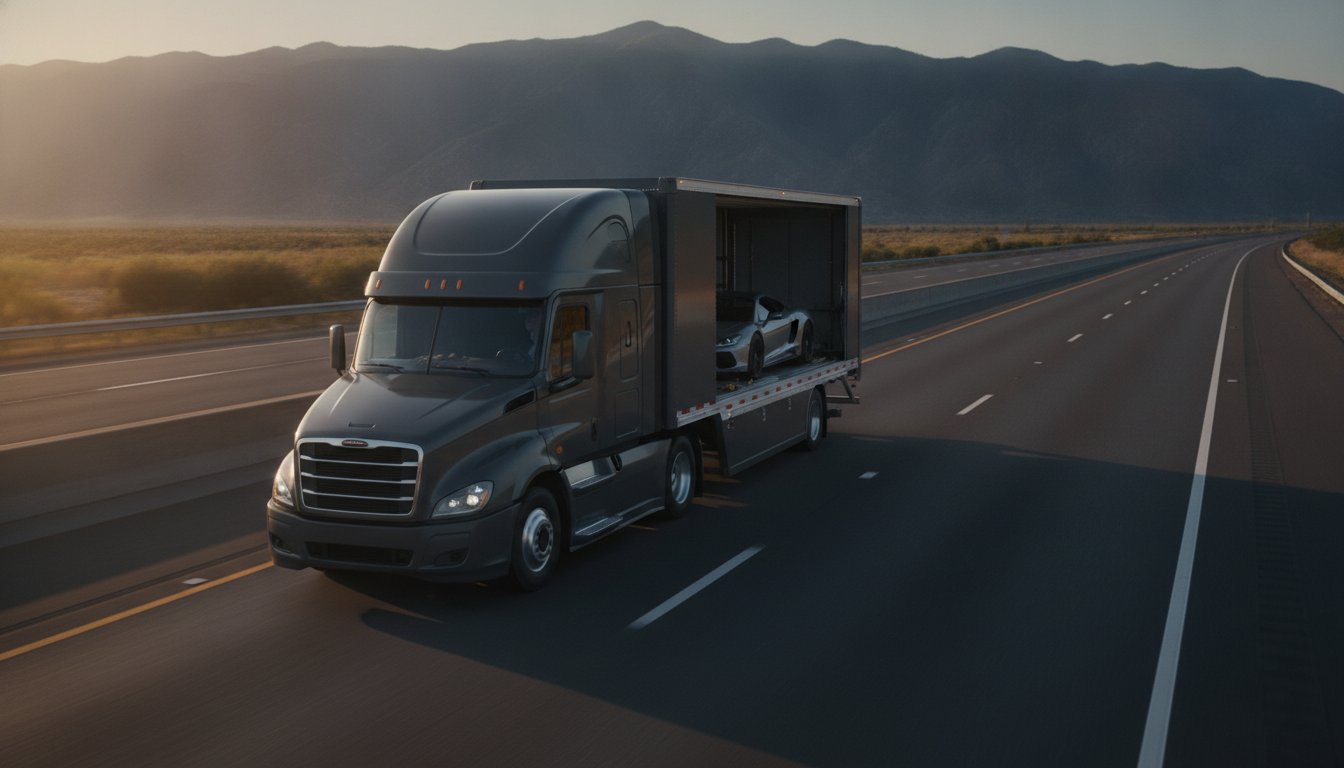
For assets that demand a higher tier of discretion and safety, enclosed trailers offer a sanctuary from road debris, inclement weather, and external exposure. This method is particularly recommended for classic cars, high-performance luxury EVs, and sports cars with minimal ground clearance. Our enclosed units feature specialized hardware, including hydraulic lift-gates for horizontal loading and soft-tie downs that secure the vehicle by the tires rather than the chassis. This avoids metal-to-metal contact and preserves the vehicle's suspension integrity over long distances. This meticulous approach is central to our Classic Car Transport protocols, ensuring that your investment arrives in pristine condition. Given the significant exposure of a cross-country trip, many collectors find this added layer of security to be a non-negotiable requirement for their most valued assets.
If you are uncertain which method aligns with your vehicle's specific requirements, we invite you to request a tailored consultation with our logistics specialists to discuss your upcoming move.
Understanding Cross-Country Shipping Costs and Professional Standards
The financial structure of shipping a car from the east coast to the west coast is governed by a "Cost per Mile" model that rewards distance with relative efficiency. While the total investment for a 3,000-mile journey is naturally higher than a regional move, the rate per mile typically decreases as the distance increases. This happens because the fixed operational costs, such as loading, unloading, and administrative processing, are spread across a much larger mileage base. At GAATCO, we prioritize transparent communication to ensure you understand how these logistical variables harmonize to create your final quote.
It's vital to remain vigilant against "low-ball" quotes from unvetted brokers. These entities often present an artificially low initial price to secure a deposit, only to demand significant "fuel surcharges" or "carrier fees" once your vehicle is already in their possession. This bait-and-switch tactic is a hallmark of the less regulated corners of the industry. When shipping a car from the east coast to the west coast, a professional partner provides a comprehensive, all-inclusive rate that reflects the true cost of licensed, insured, and high-caliber transport.
The Variables of Transcontinental Pricing
Several technical factors influence the 2026 shipping market. Vehicle dimensions and weight are primary considerations; a large SUV occupies more physical space on a trailer and increases the carrier's fuel consumption compared to a standard sedan. The operational status of your vehicle also dictates the required equipment. An "operable" vehicle can be driven onto the trailer, whereas an "inoperable" unit requires specialized winches and additional labor, which increases the total cost. Seasonal demand and current fuel prices remain the most fluid variables, often peaking during the summer months when relocation volume is at its highest.
Vetting Your Carrier: Insurance and Licensing
A reputable logistics provider must maintain active DOT registration and a valid Motor Carrier (MC) number, which serves as their federal license to operate. These credentials ensure the carrier meets the rigorous safety and operational standards set by the Department of Transportation. Beyond licensing, you must verify the specifics of the cargo insurance policy. A professional carrier should provide a certificate of insurance upon request, detailing cargo limits that exceed the vehicle’s market value. This protection is non-negotiable for long-haul transit. If you're moving a high-value asset, you can view our specialized transport options to see how we align insurance coverage with the specific needs of elite vehicles. We recommend that you request a detailed quote to see how our commitment to professional standards translates into a secure and predictable relocation experience.

How to Prepare Your Vehicle for a 3,000-Mile Journey
Shipping a car from the east coast to the west coast is a significant undertaking that requires a disciplined approach to preparation. While our professional team handles the complex logistics, your involvement in the initial stages ensures the vehicle's security and the precision of all legal documentation. Following a structured protocol before the carrier arrives will facilitate a seamless transition across the continent and provide you with absolute peace of mind during the fourteen-day transit window.
To ensure your vehicle is ready for its transcontinental voyage, we recommend the following professional standards:
- Thorough Exterior Cleaning: A clean vehicle is essential for an accurate inspection. Dirt and road grime can obscure small blemishes, making it difficult to establish a definitive baseline for the vehicle’s condition.
- High-Resolution Documentation: Use your mobile device to capture clear, dated photographs from multiple angles. Focus on the roof, lower bumpers, and all glass surfaces to create a comprehensive visual record.
- Fuel Level Management: Maintain approximately one-quarter tank of fuel. This provides enough for loading and unloading while significantly reducing the carrier's total weight and adhering to safety regulations.
- Removal of Personal Effects: Clear the interior of all personal belongings and aftermarket accessories. Items like toll tags, GPS units, and bike racks should be removed to prevent internal damage or theft.
- Mechanical Verification: Perform a brief maintenance check to ensure tires are properly inflated and the battery is fully charged. This is particularly important for the loading and unloading process at each terminal.
The Importance of the Bill of Lading (BOL)
The Bill of Lading is the primary legal document governing your shipment. It serves as both a formal receipt and a detailed condition report. When the driver arrives, you'll conduct a joint inspection to note any existing wear on this document. It's vital to be meticulous during this phase; this same record will be used upon delivery on the West Coast to verify the vehicle’s condition. This transparency protects your investment and ensures that our high standards of care are documented at every stage of shipping a car from the east coast to the west coast.
Personal Items and Weight Restrictions
Carriers are specifically licensed for vehicle transport and aren't authorized to carry household goods. Leaving items inside the cabin isn't just a safety risk; it can lead to regulatory fines for the carrier or damage to your vehicle's interior during transit. We prioritize the safety of your asset, which is why our policy focuses exclusively on the vehicle and its standard equipment, such as the spare tire and factory jack. To ensure your vehicle receives this level of meticulous care, we invite you to request a personalized quote for your upcoming transcontinental shipment.
The GAATCO Advantage: Discreet and Dependable Transcontinental Shipping
Choosing a partner for shipping a car from the east coast to the west coast requires more than just a surface-level service agreement. It demands a relationship built on over 20 years of established industry experience within the United States market. We position ourselves not merely as a service provider, but as a trusted advisor capable of managing the intricate nuances of transcontinental logistics. Our approach is defined by a sense of quiet luxury; we provide meticulous attention to detail and a calm, professional execution that reflects the high-stakes nature of specialized transport. By facilitating a seamless door-to-door auto shipping experience, we ensure that the complexities of a 3,000-mile journey remain entirely invisible to the client. This level of service is the signature of our capability, bridging the gap between your logistical needs and operational realities with refined confidence.
Customized Logistics for Every Client
Every relocation presents a unique set of operational requirements that standard providers often overlook. We tailor our logistical frameworks to meet the specific needs of military personnel, private collectors, and corporate executives alike. This bespoke methodology ensures a hassle-free experience from the initial consultation to the final delivery on the Pacific coast. Whether you're moving a single high-value asset or managing a multi-vehicle corporate fleet, our team handles the heavy lifting so you don't have to. Our geographic advantages and expansive operational reach allow us to navigate high-traffic corridors with ease. We invite you to request a customized quote for your 2026 move to experience the difference that seasoned expertise makes in a complex market.
Our Commitment to Safety and Reliability
Executing a Seamless Cross-Country Transition
Navigating the complexities of shipping a car from the east coast to the west coast requires a partner who understands that a vehicle is far more than mere cargo. It's a significant asset that deserves meticulous protection throughout its three-thousand-mile journey. We have detailed the critical importance of selecting the appropriate transport method and the rigorous preparation required to maintain your vehicle's integrity. By prioritizing A+ rated, licensed, and insured carriers, you ensure that your transcontinental relocation is defined by safety and predictability rather than logistical uncertainty—a standard of professional oversight also championed by Customs and Trade Logistics in the field of specialized logistics consulting.
With over 20 years of transcontinental expertise, our team provides the specialized handling necessary for luxury and classic vehicles. We maintain a commitment to quiet professional excellence, ensuring that every detail of your 2026 move is handled with the discretion you expect. When you're ready to transition your vehicle with absolute peace of mind, we invite you to Request a Professional Auto Transport Quote. We look forward to serving as your trusted advisor for a successful and sophisticated relocation experience.
Frequently Asked Questions
How long does it typically take to ship a car from the East Coast to the West Coast?
A transcontinental shipment typically requires 7 to 14 days to complete. This window accounts for the 3,000-mile distance, mandatory driver rest periods, and potential environmental variables like weather in the Rockies. We prioritize a steady and measured rhythm to ensure your vehicle arrives within the projected timeframe without compromising safety.
Can I ship a car that doesn’t run across the country?
Yes, inoperable vehicles can be transported, provided they roll, steer, and brake. Shipping a car from the east coast to the west coast that cannot move under its own power requires specialized equipment, such as a winch or a forklift, to facilitate loading. This service involves additional labor and technical expertise, which is reflected in the final logistical plan.
Is my car insured while it is being transported coast to coast?
Your vehicle is protected by the carrier's cargo insurance throughout the entire transit. Every professional carrier we partner with must maintain a valid Motor Carrier number and comprehensive insurance limits that meet or exceed the market value of the assets they transport. We recommend reviewing the Bill of Lading as it serves as the primary legal record of the vehicle's condition at both pickup and delivery.
How much does it cost to ship a car from New York to California in 2026?
The investment required for shipping a car from the east coast to the west coast is determined by several fluid variables rather than a fixed rate. Factors such as the total distance, the physical dimensions of the vehicle, and the choice between open and enclosed transport influence the final quote. We utilize a Cost per Mile model that reflects current fuel surcharges and seasonal demand to provide a transparent and all-inclusive rate.
Can I put personal items in my car during the shipment?
Carriers are not legally licensed to transport household goods or personal effects. Including personal items in the cabin can result in regulatory fines for the carrier and increases the risk of internal damage or theft. We require that the vehicle remains clear of all non-standard equipment, though factory-issued items like a spare tire and jack are perfectly acceptable.
Do I need to be present for the pickup and delivery of my vehicle?
You or a designated representative must be present at both the pickup and delivery locations. This presence is essential for conducting the joint physical inspection and signing the Bill of Lading. This document acts as the definitive receipt for your vehicle, ensuring that all parties agree on the asset's condition before and after its cross-country journey.
What is the difference between a broker and a carrier in the auto transport industry?
A carrier is the entity that physically operates the transport equipment, while a broker acts as the logistical coordinator who vets carriers and manages the schedule. GAATCO serves as your trusted advisor and logistical bridge, leveraging an expansive network of licensed professionals to ensure your vehicle is handled by the most qualified carriers in the industry.
How far in advance should I book my cross-country car shipment?
We recommend booking your transcontinental shipment approximately two to four weeks in advance. This lead time allows our team to secure a carrier that meets our rigorous standards for safety and reliability, especially during peak seasonal migrations. Early planning ensures a more controlled and predictable experience for your 2026 relocation.


