With nearly one million seasonal residents migrating to Florida alone each winter, the annual logistics of vehicle relocation have evolved from a simple convenience into a precision-timed operation. As you prepare for your upcoming journey, securing reliable seasonal auto transport for winter residents remains the most critical step in preserving the integrity of your vehicle. You likely recognize that the transition to a winter residence should be a period of refined relaxation, yet the reality of coordinating logistics across thousands of miles often introduces unnecessary friction. Between fluctuating peak-season demand and the corrosive threat of road salt, the stakes for your vehicle's safety are high.
This guide provides the professional insights you'll need to ensure your vehicle arrives in pristine condition, allowing you to focus on the season ahead. We'll examine the latest 2026 regulatory shifts, such as the FMCSA's transition to the Motus registration system, alongside optimal booking windows and the specialized protection strategies that define a seamless transport experience. By understanding these operational nuances, you can secure a predictable delivery window and the peace of mind that comes from expert-led logistics.
Key Takeaways
- Master the timing of high-demand transit corridors to ensure your vehicle's departure aligns with peak seasonal shifts.
- Determine whether enclosed or open car transport best serves your vehicle's protection requirements based on weather exposure and asset value.
- Secure your preferred delivery dates by booking seasonal auto transport for winter residents within the recommended 4 to 6 week industry window.
- Mitigate the risks of winter road debris and corrosive salt by selecting transport methods designed for long-haul seasonal relocation.
- Leverage professional logistics expertise to synchronize your vehicle's arrival with your own itinerary for a truly seamless transition.
The Dynamics of Seasonal Auto Transport for Winter Residents
Each year, a significant demographic of snowbirds initiates a sophisticated migration from northern latitudes to the sunbelt. This movement isn't merely a change of scenery; it's a strategic relocation of lifestyle and assets. Reliable seasonal auto transport for winter residents serves as the essential infrastructure for this transition. It ensures your personal vehicle is available at your destination without the physical exhaustion of a cross-country drive or the unnecessary mileage on your odometer.
The logistics of this migration are governed by intense seasonal corridors. During the autumn months, the demand for southbound transport from the Northeast to Florida or the Midwest to Arizona creates a complex supply and demand imbalance. Successfully navigating these high-volume windows requires a level of professional oversight that treats your vehicle as more than just freight. We prioritize a philosophy of quiet luxury, where the meticulous preservation of your vehicle's condition takes precedence over aggressive transit speeds. This approach ensures that your arrival is as seamless as the transport itself.
To better understand the operational realities of winter vehicle relocation, watch this helpful video:
Understanding the 2026 Seasonal Demand
As we move through 2026, shifting migration patterns continue to influence carrier availability in primary hubs like Miami and Phoenix. While fuel prices have remained relatively stable this year, providing a level of predictability to shipping rates, the physical capacity of the carrier network remains finite. The transition to the Motus registration system has streamlined administrative logistics, yet it hasn't altered the reality of peak season congestion. Attempting a last-minute booking in this environment is increasingly risky. Those who delay often face limited equipment choices or extended pickup windows as the most reputable carriers reach capacity weeks in advance.
Key Destinations for Seasonal Residents
Navigating Winter Logistics: Weather, Routes, and Road Salt
The logistics of winter vehicle relocation are often complicated by the phenomenon known as the "Winter Reach." A severe blizzard in the Great Lakes region isn't merely a local inconvenience; it creates a logistical ripple effect that can delay a scheduled delivery in the Deep South. While your destination may be sunny, the journey often begins in conditions that demand technical precision. Professional carriers use real-time tracking systems to monitor these meteorological shifts, allowing for proactive communication rather than reactive excuses. This transparency is vital when managing the high-stakes expectations associated with seasonal relocation.
Safety during these months extends beyond the road itself. Loading a vehicle in sub-zero temperatures requires specific protocols to maintain traction on metal ramps and ensure hydraulic loading systems function correctly. We emphasize a controlled, methodical approach to every pickup. It's about maintaining the integrity of the asset from the moment it's positioned on the trailer. You can request a customized logistics plan to see how these safety measures are integrated into your specific route and timeline.
The Corrosive Reality of Winter Roads
Modern winter road maintenance has evolved, but the chemicals used are increasingly aggressive toward automotive finishes. While traditional rock salt remains common, many Departments of Transportation now favor liquid brines, such as magnesium chloride, because they adhere effectively to the pavement. This same adhesive quality means the brine clings to your vehicle's undercarriage and paintwork for the duration of the trip. Open Car Transport inherently exposes your vehicle to these chemical mists for thousands of miles. Road brine is a highly corrosive agent that creates a microscopic film on surfaces, necessitating immediate and thorough post-transport care to prevent long-term oxidation and finish degradation.
Route Planning and Safety Over Speed
Our logistics team prioritizes safer southern routes even when they add minor mileage to the total journey. Avoiding the volatile weather of the Rockies or the high-altitude passes of the Appalachians in mid-January is a hallmark of a seasoned expert. This strategic routing is complemented by the expertise of drivers who specialize in winter conditions. They understand the nuances of braking and weight distribution on icy surfaces. To ensure these professionals have the best tools, we mandate rigorous maintenance schedules for all transport trailers, focusing specifically on braking systems and tire integrity. As the Federal Motor Carrier Safety Administration (FMCSA) advises, verifying a carrier's operational standards is a non-negotiable step for any consumer. Reliable seasonal auto transport for winter residents depends on this intersection of driver skill and equipment reliability.
Choosing Between Open and Enclosed Transport for Seasonal Moves
Selecting the appropriate equipment for seasonal auto transport for winter residents requires a strategic assessment of both the vehicle's value and its environmental tolerance. While the technical risks of road brine were detailed previously, the choice between open and enclosed trailers often hinges on the specific role the vehicle plays at your winter residence. It's a decision framework that balances logistical efficiency with the necessity of asset preservation. High-value vehicles or those with sensitive finishes demand a higher level of sequestration, whereas a modern SUV engineered for all-weather durability may be perfectly suited for standard transit methods.
A thorough cost-benefit analysis should extend beyond the initial shipping quote. Consider the potential for secondary expenses, such as professional paint correction or intensive undercarriage decontamination, which may be required after an open-air journey through a blizzard. When you weigh the premium of specialized protection against these restoration costs, the investment in a higher tier of service often reveals itself as the more economical choice for long-term vehicle health. We view this as an insurance policy for your vehicle's aesthetic and mechanical integrity.
When Open Carrier Transport Suffices
Open transport remains the most common choice for daily drivers and versatile SUVs. These vehicles typically feature durable clear coats and undercarriages designed to handle standard road debris. This method is particularly effective for "Sunbelt-to-Sunbelt" routes, such as moving a vehicle from Dallas to Orlando, where the risk of encountering heavy snow or chemical brines is significantly lower. For many residents, our Open Car Transport services provide the ideal balance of reliability and logistical simplicity without the need for specialized enclosures.
The Case for Enclosed Protection in Winter
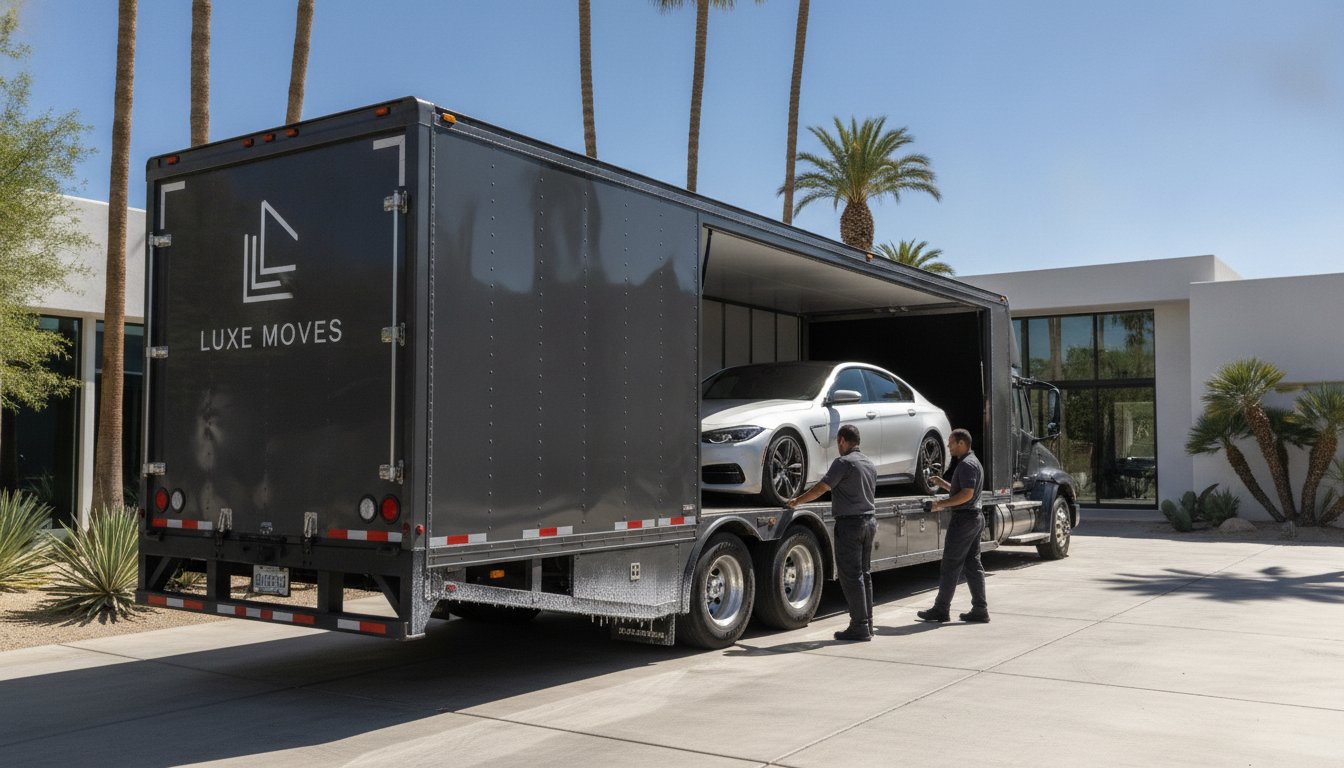
For classic cars, luxury sedans, or vehicles with exceptionally low ground clearance, Enclosed Car Transport is the non-negotiable gold standard. Winter conditions introduce unique hazards, from flying ice chunks to the fine chemical mist mentioned in earlier sections. Hard-sided enclosed trailers provide a rigid, weatherproof barrier that soft-sided alternatives cannot match. This creates a controlled environment that shields the vehicle from the volatile temperature swings of a cross-country haul. Before your vehicle is loaded, we recommend that you winterize your car to ensure its fluids and battery are prepared for the northern departure, even if the destination is tropical. This dual approach of mechanical preparation and physical shielding ensures your vehicle arrives in the same pristine state in which it was collected.

Strategic Planning: Booking Your 2026 Seasonal Transport
Securing a seamless relocation requires more than just selecting a service; it demands a sophisticated approach to timing. While many generic providers suggest a two-week lead time, the 2026 logistics environment for high-volume corridors like New York to Miami or Chicago to Phoenix is far more competitive. We recommend a "Golden Window" of four to six weeks for booking seasonal auto transport for winter residents. This advanced notice ensures you aren't forced to compromise on equipment quality or settle for unpredictable pickup windows during the industry's most demanding months. Early planning allows our team to synchronize your vehicle's arrival perfectly with your personal travel itinerary, providing a level of precision that mirrors the rest of your lifestyle. To complement your vehicle's journey, you can discover Sedanz for reliable airport transfers if your migration begins in the New York area.
The transition to the USDOT's new "Motus" registration system in 2026 has refined carrier verification, but it hasn't increased physical truck capacity. By prioritizing your booking well in advance, you secure a position with carriers who maintain the highest operational standards. It's the difference between a stressful last-minute scramble and a controlled, expert-led relocation. To begin aligning your schedule with our availability, you can request a detailed quote for your 2026 relocation today.
The 2026 Snowbird Calendar
The annual migration follows a strict rhythm. October and November represent the peak window for southbound travel, where demand often exceeds supply by a significant margin. Conversely, the return migration in March and April coincides with "spring break" traffic, which can complicate transit times. Choosing mid-week pickup dates, such as Tuesday or Wednesday, often provides greater flexibility. These windows avoid the weekend congestion at gated communities and allow for more predictable transit through major metropolitan hubs.
Preparing Your Vehicle for Sub-Zero Transit
Success in winter transport is rooted in meticulous preparation. Before the carrier arrives, ensure your vehicle's antifreeze levels are rated for sub-zero temperatures, even if your destination is tropical. Tire pressure also requires adjustment, as it naturally drops in colder northern climates. We adhere to the "Quarter-Tank Rule," requiring that fuel levels remain at approximately one-fourth of a tank. This minimizes weight and enhances safety protocols during the haul. Finally, the Bill of Lading remains your most vital document. It serves as the definitive legal record of your vehicle's condition. We encourage you to take high-resolution photos of your vehicle immediately before loading to ensure the inspection process is as transparent and detailed as possible.
Seamless Transitions with GAATCO’s Professional Relocation Services
Transitioning to a winter residence should be an exercise in leisure, not a lesson in logistical friction. GAATCO stands as the premier partner for those seeking seasonal auto transport for winter residents in 2026. With over 20 years of expertise in high-stakes vehicle logistics, our team understands that we're moving more than a machine; we're transporting a vital component of your seasonal lifestyle. Our expansive operational reach ensures a sophisticated Door-to-Door Auto Shipping experience in major winter hubs such as Miami, Phoenix, and Las Vegas. We maintain a commitment to absolute transparency. This means your final invoice reflects our initial agreement without the intrusion of hidden fuel surcharges or unexpected seasonal "gotchas" that often plague less established providers.
The personality of our brand is that of a seasoned expert. We remain calm under pressure and meticulously attentive to every detail of the haul. This discreet and dependable partnership is what distinguishes us in a crowded market. We act as the bridge between your specific needs and the complex operational realities of cross-country transit. Our goal is to provide a service that is both elite and approachable. We handle the heavy lifting. You enjoy the destination.
The GAATCO Commitment to Safety
Our role as a trusted advisor is built on a non-negotiable vetting process for every carrier in our network. We only partner with professionals who are fully licensed and insured, meeting the rigorous standards our affluent and corporate clients expect. This meticulous attention to detail extends to specialized handling requirements. Whether you require Classic Car Transport for a vintage investment or need to move a vehicle via Inoperable Vehicle Transport, our team manages every operational nuance. We prioritize the integrity of your vehicle above all else, ensuring that the safety protocols discussed in previous sections are strictly enforced throughout the journey.
Request Your Custom 2026 Seasonal Quote
We've designed our online request process to be as efficient as the transport services we provide. For multi-vehicle households, we offer personalized consultations to synchronize the relocation of your entire fleet. This customized approach ensures that each asset receives the specific level of protection it requires, whether that involves standard open trailers or high-security enclosures. Our team is ready to assist you in navigating the 2026 "Golden Window" for booking. You can request a customized auto transport quote for your winter relocation to secure your preferred window and ensure a stress-free start to your season.
Elevating Your 2026 Seasonal Relocation
A successful winter transition relies on the intersection of strategic foresight and specialized protection. By prioritizing the four to six week booking window and selecting the appropriate shielding against corrosive road brines, you ensure your vehicle's longevity. Coordinating seasonal auto transport for winter residents doesn't have to be a source of logistical strain when managed by a dedicated partner. Our team brings over 20 years of specialized auto transport experience to every shipment, utilizing only licensed and insured carriers to maintain the highest safety standards.
Whether your destination is the Atlantic coast or the Arizona desert, we provide dedicated door-to-door service in all major US winter destinations. This commitment to operational excellence allows you to focus on the season ahead while we handle the complexities of the haul. Secure your 2026 seasonal transport with a professional quote from GAATCO and experience a relocation defined by reliability and quiet confidence. We look forward to facilitating your most seamless migration yet.
Frequently Asked Questions
How far in advance should I book my seasonal auto transport for 2026?
You should ideally secure your booking four to six weeks in advance of your desired departure date. During the high-demand 2026 snowbird season, carrier capacity on primary routes like the Northeast to Florida fills rapidly. Booking early ensures you maintain access to top-tier equipment and predictable pickup windows. This lead time allows our logistics team to synchronize your vehicle's journey with your personal travel schedule, preventing the risks associated with last-minute scheduling.
Is enclosed transport necessary for winter residents shipping to Florida or Arizona?
Enclosed transport is highly recommended for luxury sedans, classic cars, or any vehicle with a delicate finish. While open transport is reliable for daily drivers, enclosed trailers provide a critical barrier against the corrosive road brines and magnesium chloride frequently used in northern states. This specialized protection ensures your vehicle arrives in showroom condition, free from the microscopic chemical film and debris that open-air transit often invites during winter months.
Can I leave personal items in my car during seasonal transport?
We advise against leaving personal belongings inside your vehicle during transit. Federal regulations and weight restrictions generally prohibit the transport of household goods within a vehicle. Additionally, items left inside aren't covered by the carrier's insurance and can shift during transit, potentially causing interior damage. We recommend removing all personal effects, except for essential vehicle accessories like a spare tire or jack, to ensure a safe and compliant relocation.
What happens if my vehicle delivery is delayed by a winter storm?
Safety remains our non-negotiable priority when severe weather impacts transit routes. If a winter storm creates hazardous conditions, our drivers are instructed to seek safe harbor until roads are cleared. We utilize real-time tracking systems to monitor these events and provide you with proactive updates regarding adjusted delivery windows. This transparent communication ensures you're never left wondering about your vehicle's status during unpredictable meteorological shifts in the "Winter Reach."
Does seasonal auto transport price change based on the direction of travel?
Market rates for seasonal auto transport for winter residents do fluctuate based on the primary direction of seasonal migration. In the autumn, southbound routes experience peak demand, which can influence pricing. Conversely, the spring return migration shifts the demand to northbound corridors. These shifts reflect the physical availability of carriers in specific regions. We provide transparent, all-inclusive quotes that account for these seasonal dynamics without hidden surcharges or unexpected adjustments.
How should I prepare my car for shipping from a cold climate to a warm one?
Preparation begins with ensuring your vehicle is mechanically sound for the temperature transition. You should verify that your antifreeze is rated for sub-zero temperatures at the origin and that your tire pressure is correctly adjusted for the cold. We also require that your fuel tank be at approximately one-fourth capacity for safety and weight management. Finally, a thorough cleaning allows for an accurate condition report on the Bill of Lading before the haul begins.
Are there specific insurance considerations for seasonal vehicle shipping?
Every shipment in our network is covered by the carrier's cargo insurance, which protects against transit-related damage. We rigorously vet every partner to ensure they maintain comprehensive coverage. It's also prudent to notify your personal insurance provider of the transport. Before loading, you should document your vehicle's condition with high-resolution photographs, as these serve as essential evidence in the rare event that a claim must be filed following the winter journey.
Do you offer door-to-door service in retirement communities and gated complexes?
Our Door-to-Door Auto Shipping service is designed to accommodate the specific requirements of gated winter communities and high-end estates. If local ordinances or narrow streets restrict large transport trailers, our drivers will coordinate a convenient meeting point at a nearby accessible location. This personalized approach ensures a discreet and efficient delivery process. We're accustomed to collaborating with community security and management to facilitate a seamless transition for our clients in all major sunbelt destinations.


