Entrusting a non-running vehicle to a carrier isn't merely a transport request; it's a precision recovery operation that demands specialized engineering and meticulous oversight. Many owners find themselves concerned about the potential for further mechanical strain or the lack of transparency regarding the specialized equipment required for a safe load. It's a valid apprehension, as the logistics of moving a stationary asset require a higher tier of professional coordination than a standard drive-on service.
Learning how to ship an inoperable vehicle requires an understanding of the specific winching technology and technical expertise necessary to protect your investment. This guide illustrates the professional standards required for such a task, from the essential "Roll, Steer, Brake" framework to the specialized equipment that ensures a damage-free arrival. We'll examine the preparation steps, the logistics of winch-assisted loading, and the regulatory requirements that safeguard your vehicle throughout its journey across the United States, providing you with the clarity needed for a seamless, professional experience.
Key Takeaways
- Identify the specific mechanical state of your asset using the "Roll, Steer, Brake" (RSB) framework to ensure the appropriate recovery equipment is deployed.
- Discover the essential logistical steps for how to ship an inoperable vehicle while avoiding common pitfalls such as undisclosed fees and inadequate carrier preparation.
- Assess the advantages of open versus enclosed transport to determine the optimal level of protection for your non-running luxury or classic vehicle.
- Learn the necessary preparation protocols, from securing internal components to ensuring site accessibility, for a seamless professional handover.
- Understand why specialized logistics expertise is vital to prevent structural strain and ensure the safe, damage-free delivery of a stationary vehicle.
What Defines an Inoperable Vehicle for Transport?
In the professional logistics sector, a vehicle is classified as inoperable when it cannot be safely driven onto a transport trailer under its own power. This definition encompasses a wide spectrum of mechanical states, ranging from a dead battery or faulty starter to more complex transmission failures. It's vital to distinguish between a simple mechanical failure, where the car's engine won't start, and a structural failure, where the wheels, axles, or steering components are compromised. While a car that won't start can be winched, a car that cannot roll or steer requires a different tier of specialized equipment altogether.
The "inop" designation doesn't just change the equipment needed; it alters the entire logistical timeline. Because only a fraction of the national carrier fleet is equipped with the necessary winching hardware, finding a match for your specific route can take more time than a standard shipment. When you are researching how to ship an inoperable vehicle, you'll find that carriers prioritize safety by ensuring the driver has the specific experience to handle a stationary asset without causing secondary damage to the frame or suspension during the loading process.
To better understand the nuances of a successful transport operation, watch this helpful overview:
Common Scenarios for Non-Running Transport
Classic car restoration projects often fall into this category, as they may be transported as a rolling chassis before the powertrain is installed. Online auction purchases from platforms like Copart also frequently require inoperable transport, as the mechanical condition of these units is often unverified at the point of sale. Additionally, vehicles involved in collisions may need transport to specialized repair facilities. These scenarios require a high level of care to prevent further structural damage during transit, especially when the vehicle's integrity is already compromised.
The Equipment: Why Winches are Mandatory
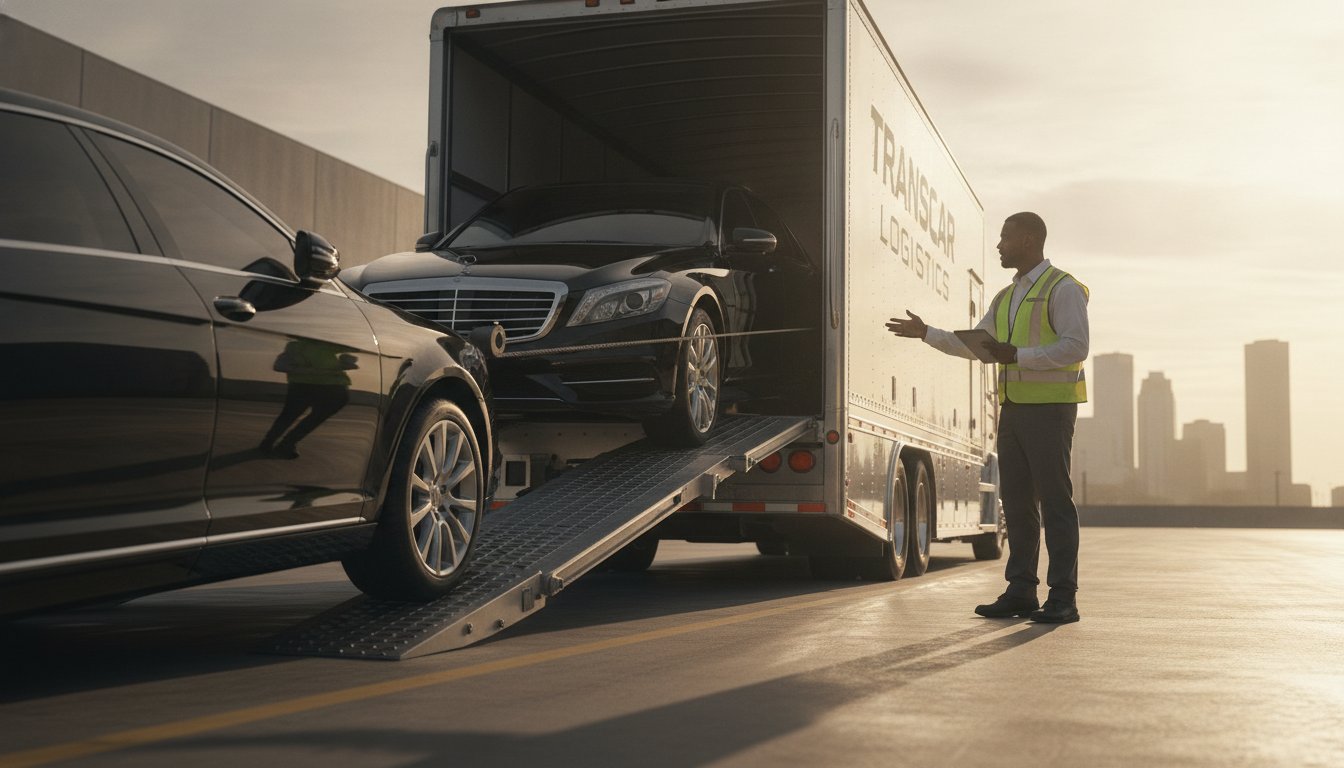
A professional winch is the primary tool for loading a non-running unit. It uses a high-tensile cable to slowly and safely guide the vehicle up the loading ramps, utilizing mechanical advantage to overcome the lack of internal power. This process draws from established vehicle recovery methods to ensure the vehicle remains stable during the ascent. Specialized tie-down points are also essential; unlike operable cars, non-runners may require different anchoring strategies to remain secure during transit. You can explore the full range of specialized car transport services to see how these logistics are managed for diverse vehicle types, ensuring that every move is handled with the appropriate level of technical expertise.
The RSB Framework: Can Your Vehicle Roll, Steer, and Brake?
Professional logistics providers rely on the RSB framework to determine the feasibility of a transport mission. This acronym stands for Roll, Steer, and Brake; it represents the minimum mechanical requirements for a vehicle to be safely winched onto a standard multi-car carrier. When you're determining how to ship an inoperable vehicle, the first question a specialist will ask is whether the unit satisfies these three criteria. If a vehicle can't perform these basic functions, it transitions from a standard winching job to a more complex recovery operation that requires a higher tier of equipment.
Steering is perhaps the most critical component for maneuvering. A driver must be able to guide the vehicle precisely up the ramps, especially on a multi-car trailer where clearances are measured in inches. Functional brakes are equally vital; they ensure the vehicle can be held steady once it reaches its designated position on the trailer. These requirements are not merely for convenience but are tied to safety protocols and Federal vehicle size regulations that govern how loads must be secured and balanced. Without these functions, the risk of a loading accident or structural damage during transit increases significantly.
Assessing Your Vehicle's Mobility
Before the carrier arrives, you should conduct a thorough mobility audit to confirm the vehicle's status. It's essential to verify that the steering wheel turns the front tires freely, as a locked steering column often requires specialized dollies that not all carriers possess. Furthermore, ensure all tires hold air. A flat tire creates excessive friction that can strain or even snap a winch cable during the loading process. Finally, test the emergency brake; it's the primary failsafe used to secure the vehicle before the final industrial tie-downs are applied for the journey.
When RSB is Not Possible
If a vehicle has seized wheels, a missing steering rack, or a locked transmission, it's classified as a "non-roller." These units often require a forklift for loading and unloading, a service typically limited to terminal locations or specialized salvage facilities. In these instances, you'll need to communicate the "total loss" or "parts car" status clearly to your logistics provider. This transparency allows the team to coordinate a flatbed or a carrier with specialized recovery equipment. For a seamless transition, it's best to request a detailed logistics consultation to ensure the correct equipment is dispatched for your specific mechanical situation. Proactive communication prevents onsite delays and ensures the integrity of the vehicle is maintained throughout the journey.
Choosing Between Open and Enclosed Transport for Non-Runners
Selecting the appropriate trailer type is a foundational decision when arranging the relocation of a non-running asset. For the majority of standard sedans and SUVs, open carrier transport remains the most pragmatic and cost-effective solution. However, the decision becomes more nuanced when the vehicle in question is a high-value classic or a luxury project. Understanding how to ship an inoperable vehicle effectively means recognizing that the transport environment directly impacts the safety and security of the asset during the winching process.
The choice between these two modalities often hinges on the vehicle's current state and its ultimate destination. While open transport offers a transparent and efficient path for daily drivers or sturdy projects, the enclosed option serves as a bridge between complex operational realities and the need for absolute exclusivity. For those prioritizing a damage-free delivery of a sensitive asset, the additional investment in an enclosed solution provides peace of mind that standard open transport cannot always match.
Open Carrier Logistics for Inoperable Units
Open carriers are the backbone of the industry, utilizing standard multi-car trailers equipped with industrial winching systems. These trailers provide excellent visibility and accessibility, allowing the operator to monitor every inch of the vehicle as it ascends the ramps. In high-traffic logistics hubs like Dallas or Chicago, the availability of open carriers makes them a reliable choice for cross-country relocations of project cars. This method adheres to the rigorous safety standards established by organizations such as the Towing and Recovery Association of America, ensuring that even without engine power, the vehicle is handled with technical precision. It's a dependable service that balances cost with professional execution.
The Case for Enclosed Inoperable Transport
For vehicles with exposed engine components or interiors in mid-restoration, enclosed trailers offer a necessary sanctuary from road debris and weather. This "white-glove" approach is particularly vital for rolling shells of exotic or vintage marques where the paint or structural integrity is sensitive. Beyond physical protection, Enclosed Car Transport typically provides higher insurance coverage limits, reflecting the premium nature of the cargo. When a vehicle cannot be moved under its own power, the controlled environment of an enclosed trailer simplifies the winching process by providing a flat, weather-shielded surface that minimizes the risk of environmental interference. It's a discreet, dependable choice for the most discerning collectors who require meticulous attention to detail during every phase of the journey.

Preparing Your Inoperable Vehicle for Professional Shipping
Preparation represents the final pillar of a successful logistics operation. While the previous stages focused on selecting equipment and assessing the RSB framework, the physical preparation of the asset ensures that the transport remains efficient and secure. A meticulously prepared vehicle minimizes the risk of secondary damage and prevents the logistical delays that often occur when technical details are overlooked. Understanding how to ship an inoperable vehicle effectively requires a shift in perspective; you're not just preparing a car for a trip, you're securing a stationary asset for a complex recovery and transit process.
The first step involves a thorough removal of all loose parts or unsecured components. For project vehicles or restoration units, items like trim pieces, spare engines, or interior panels must be removed or professionally crated. These components can shift during the winching process or while the carrier is in motion, potentially damaging the vehicle's interior or bodywork. Disclosing the exact mechanical state to your provider is equally vital. This transparency ensures the driver arrives with the correct equipment, effectively eliminating the risk of "dry run" fees that occur when a standard carrier is dispatched to a job requiring a heavy-duty winch.
Documentation and Keys
Even if the engine doesn't turn over, providing the keys to the ignition and trunk is mandatory. The driver needs to unlock the steering column to guide the vehicle up the ramps and may need access to the trunk for securing specific points. Documentation is the bedrock of professional accountability. You should document the current condition with high-resolution photographs from every conceivable angle, creating a definitive condition report. This report should clearly distinguish between existing cosmetic damage and the mechanical failure that necessitated inoperable transport. For interstate moves through major hubs like Miami or San Diego, ensure your ownership documents are readily accessible to satisfy any regulatory inspections during transit.
Site Accessibility in Urban Environments
The physical environment at the pickup location dictates the safety of the loading process. In densely populated cities like Boston or San Francisco, residential streets are often too narrow for a multi-car carrier to maneuver. In these instances, coordinating a meeting point at a nearby parking lot with sufficient flat ground is essential for the winch to operate safely. This level of coordination is a hallmark of Door-to-Door Auto Shipping for non-running units, where the focus is on finding the safest possible interface between the client's location and the carrier's infrastructure. To ensure your pickup is handled with this level of meticulous oversight, you should request a professional logistics assessment before your scheduled transport date. This proactive step guarantees that the specialized equipment matches the environmental realities of your location.
Why Professional Logistics is Essential for Inoperable Transport
Choosing a professional partner for a non-running asset is a decision that safeguards both your investment and public safety. Attempting a DIY tow for a disabled vehicle often leads to excessive stress on the vehicle's frame and suspension, as consumer-grade equipment lacks the precision of industrial winching systems. Beyond the mechanical risks, the legal and financial stakes are high. A professional logistics provider ensures that every carrier is fully licensed and insured, providing a layer of protection that is simply unavailable through informal transport methods. When you investigate how to ship an inoperable vehicle, the conclusion is clear: expertise is the only variable that guarantees a damage-free outcome.
At GAATCO, we leverage 20 years of specialized expertise to manage these complex moves with a sense of calm confidence. We understand that the industry standard for inoperable fees typically ranges from $150 to $300 to account for the use of winches and specialized recovery hardware. We prioritize a transparent pricing model that integrates these operational costs upfront, ensuring our clients don't encounter hidden surcharges at the point of pickup. This commitment to honesty reflects our role as a trusted advisor rather than a mere service provider, bridging the gap between your logistical needs and the complex operational realities of the road.
The GAATCO Advantage: Expertise in Complexity
Our team provides seamless coordination across the United States, managing high-volume routes such as the corridor from Phoenix to Houston with meticulous attention to detail. We maintain an expansive network of vetted carriers who specialize specifically in inoperable logistics. This niche focus ensures that the operator arriving at your door isn't just a driver, but a professional trained in the nuances of winching and stationary load securement. Our focus remains steadfast on providing a reliable, elite experience that respects the high-stakes nature of your vehicle relocation.
Ready to Move Your Vehicle?
Securing the necessary specialized equipment requires a proactive approach to scheduling. Because winching hardware is a premium feature within the carrier market, early booking is essential to ensure a carrier is available when you need them. We invite you to Request a Quote to receive a bespoke logistics plan tailored to your vehicle's specific mechanical state. Our team is ready to handle the technical details of your transport, allowing you to focus on your next project while we manage the sophisticated infrastructure of the journey.
Securing Your Specialized Transport Strategy
Successfully navigating the complexities of how to ship an inoperable vehicle relies on technical transparency and the deployment of specialized recovery assets. By adhering to the RSB framework and meticulously preparing your vehicle for a winch-assisted load, you eliminate the uncertainty that often accompanies non-running transport. Whether you're relocating a vintage project or a modern asset with mechanical failure, the distinction lies in the caliber of coordination and the experience of the operators involved.
GAATCO brings over 20 years of industry experience to every mission, utilizing a network of licensed and insured professional carriers who specialize in inoperable and classic car logistics. It's a process that demands absolute precision, and we don't believe in leaving the safety of your asset to chance. Our team provides the discreet, dependable partnership required to move your vehicle safely to its destination, bridging the gap between complex logistics and a seamless delivery experience.
Ready to begin your relocation? Request a Professional Inoperable Transport Quote today and let our experts handle the technical details of your journey. We look forward to ensuring your vehicle arrives exactly as expected.
Frequently Asked Questions
How much more does it cost to ship a car that doesn't run?
An additional surcharge is applied to compensate for the specialized equipment and labor required to handle a stationary asset. This fee is a standard industry necessity that ensures the carrier can dedicate the necessary time and hardware to a technical load without compromising safety. It's a professional requirement that reflects the increased complexity and time investment needed for a non-running vehicle compared to a standard drive-on transport.
Can you ship a car that doesn't steer or have wheels?
Transporting a vehicle without wheels or steering functionality is possible through what is known as a "non-roller" recovery. This specialized operation typically requires a forklift or a total-lift flatbed system to safely elevate the asset. Such logistics are highly customized and require precise coordination at both the origin and destination points, as standard winching is not an option when the tires cannot rotate or steer.
Do I need to be present when the inoperable vehicle is picked up?
A designated representative must be onsite to facilitate the handover and sign the legal Bill of Lading. This presence is vital for verifying the initial condition report and ensuring the carrier receives the keys, which are necessary for steering the vehicle even if it doesn't start. If you can't be there personally, a trusted associate can act as your proxy to oversee the loading process and finalize the documentation.
What happens if the carrier arrives and the car is more damaged than described?
Discrepancies in the vehicle's condition can lead to immediate logistical complications and potential delays. If a vehicle requires more specialized recovery than originally disclosed, the carrier may be unable to complete the load with their current equipment. This often results in "dry run" fees and significant scheduling setbacks while a more appropriately equipped trailer is sourced to handle the actual mechanical state of the vehicle.
Is insurance included for inoperable vehicle transport?
All legitimate professional carriers maintain cargo and liability insurance for every unit they transport as part of federal compliance. When researching how to ship an inoperable vehicle, it's essential to confirm that the carrier's policy is active and sufficient to protect the full valuation of your stationary asset. A reputable provider will always offer a copy of their insurance certificate upon request to provide you with absolute peace of mind.
How do carriers get a non-running car onto the trailer?
Carriers utilize high-tensile industrial winches to slowly guide the vehicle up the loading ramps and into position. This method relies on mechanical advantage and precise maneuvering to position the vehicle securely on the trailer bed without the aid of engine power. The operator must carefully monitor the alignment to prevent any secondary damage to the vehicle's frame or suspension during the ascent onto the carrier.
Can I ship extra parts inside my inoperable vehicle?
Transporting loose parts inside the vehicle is generally restricted by federal weight and safety regulations. While some carriers may accommodate securely crated components that don't exceed certain weight limits, you must disclose these items during the booking process. It's important to remember that insurance typically only covers the vehicle itself, not any additional contents or uninstalled parts stored within the cabin or trunk.
How long does it take to find a carrier with a winch?
Securing a carrier with the necessary winching hardware often requires a slightly longer lead time than a standard operable shipment. Because winches are not universal across all trailers, we suggest allowing a window of three to five business days beyond standard timelines to find an ideal match for your route. This additional time ensures we can source a specialized operator who is experienced in the nuances of how to ship an inoperable vehicle.


