Entrusting your vehicle to a personal driver may appear to be the ultimate concierge service, yet it often introduces the very risks you seek to avoid. When evaluating the merits of hiring a professional driver vs auto transport, the decision frequently rests on a single priority: the absolute preservation of a high-value asset. You likely understand that a cross-country journey involves more than just fuel and tolls; it encompasses significant mechanical depreciation and the unpredictable nature of long-distance road travel.
We recognize the anxiety that accompanies the relocation of a cherished vehicle, particularly regarding liability and the potential for unforeseen wear. This strategic guide provides the clarity needed to navigate these choices with confidence. You will discover how professional handling and specialized logistics ensure a damage-free delivery while respecting your schedule. By examining the operational nuances of 2026 transport standards, we offer a transparent framework to help you secure the most reliable outcome for your automotive investment.
Key Takeaways
- Distinguish between the personal concierge model of driving and the secure, non-operational method of professional carrier transport.
- Assess how cross-country mileage impacts your vehicle's mechanical integrity, focusing on the long-term preservation of high-value assets.
- Analyze the total investment and insurance implications of hiring a professional driver vs auto transport to avoid unforeseen expenses and liability gaps.
- Utilize a strategic framework to determine the optimal relocation method based on vehicle value and specific logistical requirements.
- Discover how a dedicated logistics partner provides the discreet, expert handling necessary for seamless door-to-door vehicle delivery.
Understanding the Landscape: Professional Concierge Drivers vs. Auto Transport
Selecting the right method for vehicle relocation requires a clear understanding of the operational differences between two distinct service categories. The concierge or "drive-away" model involves a single individual who operates your vehicle for the duration of the journey. This is a personalized, human-centric approach where the driver handles the asset directly. While this provides a high level of individual attention, it also subjects the vehicle to active road use and various operational variables.
Professional auto transport utilizes specialized multi-car carriers to facilitate secure, non-operational transit. In this scenario, the vehicle remains stationary on a trailer, protected from the mechanical stress of the highway. An Auto transport broker often facilitates these arrangements, ensuring that the carrier meets federal safety and insurance standards. Both methods aim to provide a door-to-door solution, yet they differ fundamentally in how they manage risk and mechanical preservation.
To better understand this concept, watch this helpful video:
As of 2026, the logistical environment has become increasingly complex. Stricter enforcement of Electronic Logging Device (ELD) standards, finalized in February 2026, and new requirements for verifying CDL medical certifications via Motor Vehicle Records have heightened the barrier to entry for legitimate operators. Many qualified drivers now seek advanced certification through platforms such as eastusatrucking.com to stay ahead of these evolving compliance standards. These regulations, combined with fluctuating fuel costs, mean that the decision between hiring a professional driver vs auto transport is no longer just about convenience. It's about ensuring that your chosen provider operates within a framework of legal and financial accountability.
The Appeal of the Concierge Driver
For certain owners, the appeal of a concierge driver lies in the bespoke nature of the service. This model allows for the simultaneous transport of pets or sensitive personal items that carriers typically cannot accommodate due to weight and safety regulations. Some clients even prefer a "ride-along" arrangement, where they travel alongside the driver for personal comfort. This method offers direct communication and flexible scheduling, making it a viable choice for immediate, single-vehicle departures where mechanical wear is a secondary concern to lifestyle needs.
The Logic of the Professional Carrier
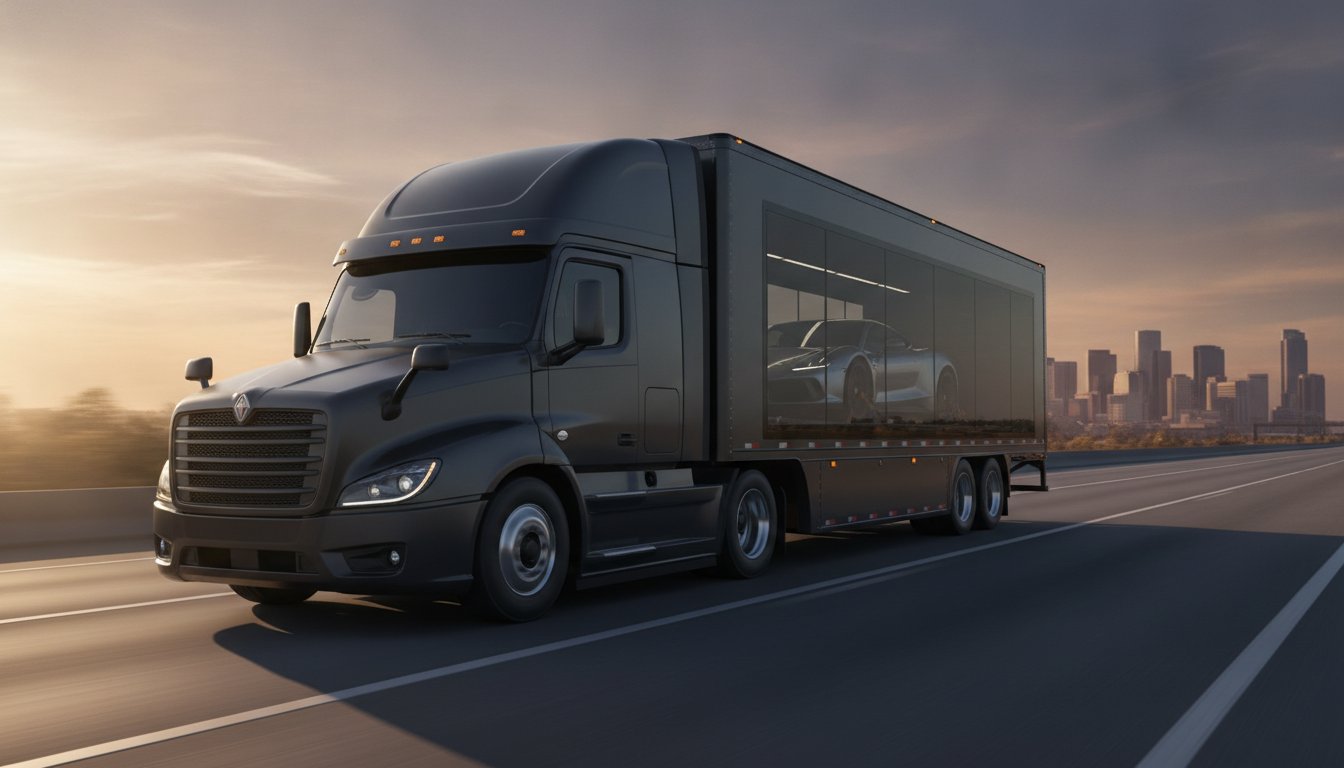
Conversely, the professional carrier model is built upon scalable logistics and asset preservation. By utilizing specialized equipment, such as enclosed trailers, carriers mitigate external hazards like road debris and inclement weather. Corporate and luxury clients prioritize this method for high-value assets because it eliminates mileage accumulation and mechanical stress on tires, brakes, and engines. When you choose professional transport services, you're investing in a system designed for maximum security and operational efficiency, ensuring your vehicle arrives in the exact condition it was loaded.
Asset Protection and Mechanical Integrity: The Carrier Advantage
The fundamental distinction when choosing between hiring a professional driver vs auto transport lies in the physical state of the vehicle during transit. A professional carrier treats your vehicle as a stationary asset; it effectively pauses the mechanical life cycle for the duration of the journey. This approach eliminates the cumulative stress placed on a car's most critical systems. When a vehicle is driven cross-country, every mile contributes to the degradation of tire tread, the thinning of brake pads, and the aging of engine fluids. These aren't merely aesthetic concerns. They represent a quantifiable reduction in the vehicle's operational lifespan.
Beyond internal mechanics, the exterior of the vehicle faces significant risks on the open road. High-speed travel exposes the paint and glass to a constant barrage of road debris, insects, and environmental contaminants. Professional transport mitigates these variables by elevating the vehicle away from the road surface. For those seeking the highest level of security, enclosed car transport provides a climate-controlled environment that shields the finish from UV rays and unpredictable weather patterns. This level of protection is impossible to replicate when an individual is operating the vehicle manually.
Regulatory bodies emphasize the importance of vetting your logistics partner to ensure these safety standards are met. The Federal Motor Carrier Safety Administration provides a Consumer Advisory About Automobile Transporters to help owners verify the legitimacy and insurance status of their chosen carrier. This oversight ensures that the equipment used to secure your vehicle meets rigorous federal requirements. It provides a level of structural stability that a human driver simply cannot match. Consider the following mechanical advantages of carrier transport:
- Zero additional tire wear or suspension stress.
- Protection from corrosive road salt and acidic rain.
- Elimination of high-speed vibration and engine heat cycles.
Preserving the Odometer and Resale Value
For luxury and classic car owners, the odometer is more than a gauge; it's a valuation tool. Adding 2,000 miles during a single relocation can trigger a significant drop in resale value, particularly for investment-grade assets. Collectors recognize this "hidden depreciation" and almost exclusively opt for professional carriers to maintain a vehicle’s pristine status. Odometer readings directly correlate to maintenance schedules and warranty expirations, making every mile saved a financial victory.
Structural and Exterior Protection
Choosing between open and enclosed carriers allows owners to customize the level of shielding required for their specific asset. While open transport remains the standard for the majority of shipments, enclosed options are the gold standard for mitigating rock chips, glass cracks, and paint oxidation. Professional tie-down systems secure the vehicle by its chassis or tires. This removes the human variables of erratic braking or sudden acceleration that a concierge driver might introduce. Ultimately, the decision regarding hiring a professional driver vs auto transport is a choice between active operation and strategic preservation.
Financial Realities: Analyzing the True Cost of Long-Distance Relocation
While the physical preservation of a vehicle is a primary concern, the economic framework of the move is equally significant. When you evaluate the fiscal implications of hiring a professional driver vs auto transport, it's necessary to look beyond the initial service quote. A professional carrier operates on a model of logistical efficiency, distributing fixed costs across multiple units on a single trailer. This scale allows for a more predictable pricing structure compared to the concierge model, which functions as a dedicated, single-vehicle operation where the owner absorbs every variable expense incurred along the route.
A recent analysis from Forbes regarding the Cost To Ship A Car suggests that the cumulative overhead of a multi-day road trip often surpasses the flat rate of a specialized carrier. This discrepancy arises because professional transport consolidates the logistics, whereas a personal driver requires a bespoke itinerary. For the sophisticated owner, the value of time and the desire for a streamlined process often outweigh the perceived flexibility of a personal driver.
The Hidden Costs of Concierge Driving
The concierge model involves several "soft" costs that can quickly inflate a relocation budget. In 2026, fuel price volatility remains a significant factor; a personal driver's route is subject to local market fluctuations that can lead to unexpected surcharges. Beyond fuel, the client is typically responsible for several additional line items:
- Overnight lodging and daily meal stipends for the driver.
- Highway tolls and regional transit fees across multiple state lines.
- Return airfare or ground transportation for the driver once the delivery is complete.
There's also the matter of mechanical contingency. If a vehicle suffers a breakdown mid-journey, the owner must manage the costs of emergency repairs, towing, and extended lodging for the driver. In the carrier model, the vehicle is not operational, which effectively removes these risks from the financial equation.
Professional Insurance and Liability Frameworks
The insurance gap between these two models is perhaps the most critical financial consideration. Utilizing a licensed and insured carrier ensures that your asset is protected by commercial cargo insurance with high liability limits specifically designed for transport. Many personal auto insurance policies contain exclusions for hired drivers performing long-distance, commercial-style relocations. This leaves a significant liability window if an accident occurs.
Professional transport also provides the security of the Bill of Lading. This document acts as a formal contract and a detailed condition report, serving as your primary legal safeguard. It provides a transparent record of the vehicle's state at both origin and destination, ensuring that any discrepancies are handled within a structured, professional framework. This level of accountability is a hallmark of an established logistics partner, offering peace of mind that a private arrangement simply cannot guarantee.

Strategic Decision Framework: Which Method Suits Your Move?
Selecting the most effective relocation method requires a nuanced evaluation of your specific logistical needs. The choice between hiring a professional driver vs auto transport isn't merely a matter of cost; it's a strategic decision based on the value of the asset and the complexity of the move. For owners of high-value, luxury, or classic vehicles, the priority is almost always isolation from the road. These assets are sensitive to environmental variables and mechanical wear. Conversely, some lifestyle-driven relocations involve unique requirements, such as the transport of pets or personal belongings, which necessitate a different approach.
Timelines also dictate the optimal strategy. While a personal driver offers a dedicated point-to-point schedule, they are subject to human limitations and federal hours-of-service regulations. A professional carrier operates within a sophisticated logistics network that balances efficiency with safety. If a vehicle is inoperable, the decision is simplified. Specialized equipment like winches or forklifts, standard in professional fleets, are required to manage the asset without causing further damage.
When to Prioritize Professional Auto Transport
Professional transport is the superior choice for any relocation exceeding 500 miles where asset preservation is paramount. It's the standard for multi-vehicle households that require synchronized delivery at a new destination. This method is also the preferred choice for corporate relocations. Professionals in these scenarios require transparent pricing and rigorous documentation to facilitate seamless reimbursement. By choosing a carrier, you ensure that high-stakes assets are handled by a unified team of experts dedicated to a damage-free delivery.
When a Concierge Driver Might Be Considered
A concierge driver might be considered for specialized, short-distance moves where the owner wishes to ride along or transport pets in a familiar environment. This model is occasionally used when a vehicle must be packed with personal items, though this introduces risks to the vehicle's interior and suspension that we generally advise against. It may also suit extremely urgent, same-day departures that bypass standard carrier scheduling windows. However, these arrangements lack the redundant stability of a professional logistics network, as they rely entirely on the availability and health of a single individual.
Ultimately, the framework for your move should prioritize the long-term integrity of your vehicle. For those who demand the most professional handling of a high-value asset, we invite you to view our specialized transport offerings to find a solution that aligns with your standards of excellence.
GAATCO’s Commitment to Precision: Elevating the Standard of Vehicle Transport
The decision between hiring a professional driver vs auto transport ultimately rests on the level of precision you demand for your vehicle's relocation. At GAATCO, we don't view your vehicle as mere cargo. We treat every vehicle as a high-stakes asset that requires a tailored logistical strategy. Our 20-year legacy of navigating complex US logistics is built on a foundation of understated elegance and a commitment to core operational values. We provide a bridge between your high-end service expectations and the complex realities of specialized transport.
Our team functions as a discreet and dependable partner rather than just a service provider. While the technical infrastructure of our operations is vast, the human element remains our greatest strength. A dedicated group of professionals manages every detail of the move, ensuring that the calm confidence we project is backed by meticulously attentive execution. Whether you require standard open carriers or white-glove enclosed car transport, our solutions are customized to meet the unique nuances of your specific asset.
For clients who require the same level of precision and discretion for their personal ground travel in the Dallas-Fort Worth area, you can check out 1Executive Car for premier executive chauffeur services.
Sophisticated Logistics for Modern Relocations
Our door-to-door auto shipping model is engineered to remove the logistical friction typically associated with terminal drop-offs. We understand that your time is a finite and valuable resource. By managing the entire process from origin to destination, we eliminate the stress of coordinating secondary transport or navigating crowded shipping hubs. This seamless flow is supported by a rigorous vetting process for our carrier network, ensuring that every driver and piece of equipment meets our elite standards for safety and reliability. We remain steadfast in our commitment to providing hassle-free logistics and transparent communication throughout every stage of the transit process.
Securing Your Quote for 2026
As we look toward the logistical landscape of 2026, the need for a trusted advisor has never been more critical. Elite clients in major hubs such as Atlanta, Miami, and New York continue to trust GAATCO for their most sensitive moves because we prioritize asset preservation above all else. We've simplified the initial steps of your relocation to ensure a sophisticated and efficient experience from the very first interaction.
- Access our streamlined request quote process for a personalized service plan.
- Consult with our specialists to determine the optimal carrier type for your vehicle.
- Experience a relocation defined by reliability, safety, and professional handling.
Choosing the right partner ensures that your vehicle arrives in pristine condition, ready for the road ahead. We invite you to contact GAATCO today to experience the gold standard in professional auto transport and secure a logistical partner that understands the nuances of high-end service.
Securing the Future of Your Automotive Investment
The strategic evaluation of hiring a professional driver vs auto transport reveals that the preservation of a vehicle's integrity is best achieved through specialized logistics. While concierge driving may address niche lifestyle needs, it introduces mechanical wear and liability gaps that professional carriers are designed to mitigate. By prioritizing a stationary transit method, you ensure that your asset remains protected from the environmental and operational risks of long-distance travel. This approach provides the peace of mind necessary for a seamless transition.
GAATCO offers a sophisticated solution backed by over 20 years of industry expertise and a fully licensed and insured carrier network. Whether you require standard door-to-door service or specialized white-glove enclosed transport, our team handles every detail with meticulous care. We invite you to Request a Professional Auto Transport Quote from GAATCO to experience a level of service that reflects the high stakes of your relocation. Entrust your vehicle to a partner that understands the nuances of luxury and the critical nature of reliable transport. We look forward to facilitating your next move with the excellence you expect.
Frequently Asked Questions
Is it cheaper to hire a driver or use an auto transport company?
Professional auto transport is typically more cost-effective for long-distance relocations because carriers distribute operational costs across multiple vehicles. When you hire an individual driver, you're responsible for a dedicated service fee plus variable expenses like fuel, tolls, meals, and lodging. For journeys exceeding 500 miles, the consolidated logistics of a carrier usually offer a more predictable and lower total investment.
Can I leave personal belongings in my car if I hire a professional driver?
Owners often choose concierge drivers specifically to transport personal items or pets that professional carriers cannot accommodate. While this offers convenience, it's important to remember that excess weight can strain the vehicle's suspension and braking systems. Most professional transport companies restrict personal belongings to ensure compliance with federal weight regulations and to maintain the integrity of their cargo insurance coverage.
What happens if my car breaks down while a professional driver is using it?
If a mechanical failure occurs during a concierge trip, the vehicle owner is generally responsible for all repair costs and towing fees. You may also be required to cover the driver's extended lodging and meal expenses while the vehicle is serviced. This financial risk is a primary reason many luxury owners prefer the stationary safety of a professional transport carrier.
Are professional drivers insured to drive my vehicle long-distance?
Insurance coverage is a critical variable when evaluating the merits of hiring a professional driver vs auto transport. Many personal auto policies don't extend to hired individuals performing commercial-style long-distance relocations. It's essential to confirm that any driver you hire maintains their own professional liability insurance or that you've secured a short-term policy to protect your asset during the journey.
How do I verify if an auto transport company is reputable and licensed?
You should verify a company's credentials through the Federal Motor Carrier Safety Administration (FMCSA) using their USDOT or Motor Carrier (MC) number. A reputable provider will have an active license and a valid insurance certificate on file. We recommend reviewing their safety record and checking for established industry expertise to ensure they meet the standards required for high-stakes vehicle transport.
Can a professional driver transport my car if it is inoperable?
A concierge driver cannot transport an inoperable vehicle as the service relies entirely on the car's ability to be driven. If your vehicle has mechanical issues or won't start, you must use a professional transport service. Carriers utilize specialized equipment, such as winches or lift gates, to safely load and secure inoperable assets without causing further damage to the chassis or drivetrain.
How much notice do I need to give for professional auto transport vs. a driver?
Professional carriers typically require seven to fourteen days of lead time to coordinate optimal routing and equipment availability. Individual drivers might offer more immediate flexibility for single-vehicle departures. However, the sophisticated logistics network of a carrier provides a level of redundant stability that a single driver cannot match, especially if unforeseen scheduling conflicts or health issues arise before the departure date.
Which method is safer for a high-value classic or luxury vehicle?
For high-value classic or luxury vehicles, the safety profile of hiring a professional driver vs auto transport heavily favors the carrier model. Enclosed carriers provide a controlled environment that shields the asset from road debris, salt, and unpredictable weather. This method eliminates the mechanical stress of operation, ensuring the vehicle arrives in the exact condition it was loaded, without any additional mileage.


