
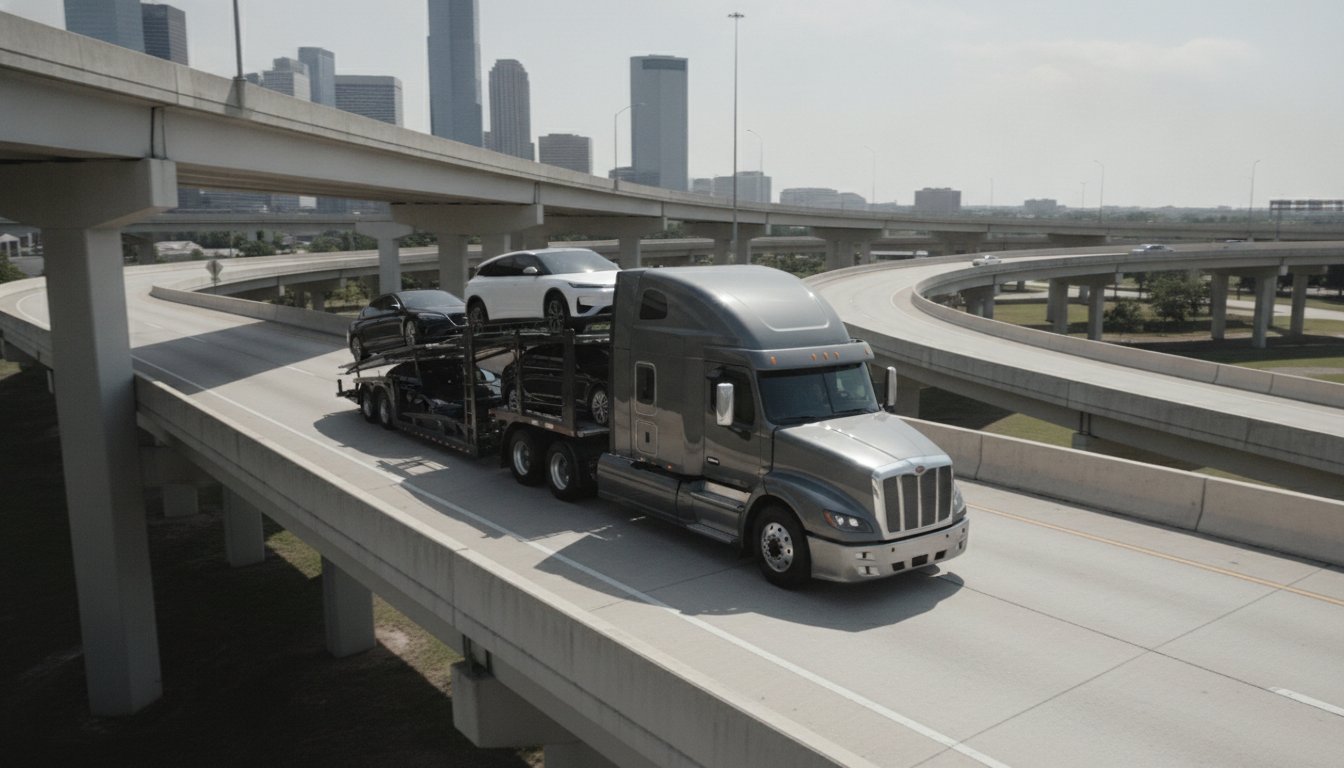
The lowest price you receive for vehicle transport is rarely a reflection of the actual cost; it is often merely a placeholder in a volatile, real-time bidding marketplace. You likely feel a sense of frustration when two reputable companies provide estimates that differ by hundreds of dollars for the same route. This discrepancy often triggers a justified concern regarding hidden fees or the potential for a bait-and-switch scenario.
In this professional overview, we will explain exactly why do car shipping quotes vary so much by examining the sophisticated logistical variables that dictate carrier pricing. You will discover how factors like the 2026 CARB Clean Truck Check compliance and the increasing weight of electric vehicles influence the operational flow of modern transport. We will provide a clear framework for identifying a binding, realistic quote. This guide ensures you have the confidence to select a transport partner that prioritizes the safety of your asset over a low-priority bidding strategy. By understanding the marketplace dynamics, you can secure a dependable service that honors its initial commitment.
Key Takeaways
- Gain insight into the national dispatch marketplace and how real-time bidding dynamics dictate the availability of reliable carriers for your vehicle.
- Explore the technical reasons why do car shipping quotes vary so much, including the impact of curb weight and specialized equipment requirements for high-value assets.
- Understand how geographic factors like route density and remote "deadhead" mileage create necessary adjustments in professional logistics pricing.
- Identify the warning signs of unrealistic estimates to protect yourself from predatory bait-and-switch tactics and unfulfilled transport schedules.
- Discover how a partner with two decades of refined experience provides binding, transparent estimates that prioritize the safety of your vehicle.
The Mechanics of Auto Transport Pricing: A Marketplace Overview
Understanding The Mechanics of Auto Transport Pricing requires a departure from traditional retail mindsets. In most industries, a quote is a fixed price for a finished good. In the specialized field of vehicle logistics, an initial estimate serves as a strategic entry point into a fluid, real-time bidding environment. You might wonder why do car shipping quotes vary so much between different providers when the route remains identical. The answer lies in the national dispatch marketplace. This system functions as a digital auction house where thousands of independent carriers evaluate loads based on daily profitability and route efficiency. Prices fluctuate constantly based on the volume of vehicles moving in a specific corridor versus the number of available trailers at that exact moment.
To better understand these marketplace dynamics and how they impact your final price, please view the following analysis:
The Broker-Carrier Relationship
A professional broker acts as the logistical architect of your vehicle shipment. They don't typically own the trucks; instead, they manage a sophisticated network of licensed carriers. As of 2026, the USDOT number remains the primary identifier for verifying these carriers, ensuring every partner in our network meets rigorous safety and insurance standards. Carriers are independent businesses with high overhead costs, including the 2026 CARB Clean Truck Check fees and fluctuating fuel surcharges. They select loads that offer the highest price-per-mile attractiveness. If a quote is set too low, it fails to capture the interest of top-tier drivers. This leaves your vehicle stagnant while more lucrative contracts are prioritized by the most reliable professionals in the industry. To understand how experienced brokers manage these complex logistics, you can discover Tranzit Express Inc..
Bidding for Carrier Priority
The discrepancy in pricing often reflects a bidding strategy for carrier priority. A higher quote isn't simply a larger profit margin for the broker; it's a more compelling offer to the driver. When a route is posted to the dispatch board, carriers compare it against hundreds of other options. If your quote is under-market, carriers will simply bypass it. This is a primary reason why do car shipping quotes vary so much during the initial research phase. A $500 estimate often results in indefinite delays because no carrier will accept the load at that rate.
This bidding process is particularly critical for specialized needs, such as Enclosed Car Transport for high-value assets. These specialized trailers are in shorter supply, making the bidding environment even more competitive. At GAATCO, we utilize our 20 years of experience to provide realistic, transparent pricing. Our team acts as your trusted advisor, ensuring your shipment is positioned to attract reliable carriers immediately. We balance competitive rates with the necessity of guaranteed interest, ensuring your vehicle moves on schedule without the risk of hidden surcharges or last-minute price hikes.
Physical Variables Influencing Logistical Complexity
While the marketplace bidding system explains the financial mechanics, the physical characteristics of your vehicle determine the logistical footprint it occupies. The dimensions, weight, and operational status of an asset are fundamental to how a carrier calculates their overhead. These technical details are a primary reason why do car shipping quotes vary so much during the initial consultation phase. A standard sedan requires far less logistical planning than a modified SUV or a heavy electric vehicle.
Vehicle Specifications and Trailer Capacity
Carriers must operate within a federal gross vehicle weight limit of 80,000 pounds for a fully loaded transporter. When you ship a compact car, it fits neatly into a standard weight-to-space ratio. However, the increasing prevalence of electric vehicles (EVs) has introduced new challenges. Due to their heavy lithium-ion batteries, EVs increase a carrier's total weight significantly. This often forces a driver to leave one or two slots empty on their trailer to remain within legal weight limits.
This "opportunity cost" must be recovered through the quote. Beyond weight, physical modifications also alter the logistical requirements of a shipment. Consider the following factors:
- Height and Width: Lift kits, oversized tires, and roof racks can prevent a vehicle from fitting on the lower deck or require specialized positioning.
- Ground Clearance: Low-profile luxury cars often require specialized ramps to prevent undercarriage damage during loading.
- Operational Status: Inoperable vehicles require a carrier equipped with a functional winch and the expertise to safely load a non-running asset, adding to the labor and equipment costs.
Enclosed vs. Open Carrier Logistics
The choice between transport types represents a significant shift in both protection and price. Research indicates that approximately 95% of the car carriers currently on the road are open trailers. These are the workhorses of the industry, yet they leave vehicles exposed to road debris and weather. For those seeking a higher standard of care, enclosed transport offers a protected environment within hard-sided trailers.
This "quiet luxury" service is a non-negotiable requirement for high-value classic or exotic vehicles. Enclosed carriers maintain significantly higher insurance coverage limits to accommodate these assets. They also utilize specialized equipment, such as hydraulic lift gates, to ensure a level of safety that standard open trailers cannot provide. To ensure your specific vehicle receives the appropriate level of protection, you can request a customized quote that accounts for these physical nuances. Understanding these variables allows you to see past the numbers and recognize the specialized care required for your transport.
Geographic and Temporal Factors in Quote Variance
Location and timing act as the invisible hands of the logistics industry. While the physical specifications of a vehicle provide a baseline, the geographic coordinates of the pickup and delivery points introduce significant variance. Understanding why do car shipping quotes vary so much requires an analysis of the map as much as the machine. A route's profitability for a carrier is often determined by its proximity to established shipping lanes and the seasonal demand of the region.
Major Hubs vs. Rural Deviations
Efficiency in auto transport is built upon route density. Carriers favor high-traffic corridors between major logistical hubs such as Houston, Miami, Dallas, and Atlanta. In these metropolitan centers, a driver can easily secure a full load of vehicles, maximizing their revenue per mile. When your transport route stays within these primary arteries, the quote reflects the economies of scale that dense routes provide. It's simply more cost-effective for a carrier to operate where there's a constant flow of inventory.
Conversely, "Door-to-Door" service in remote or rural areas introduces the "deadhead" factor. This term describes the mileage a carrier must travel with an empty trailer to reach a pickup location or return to a main highway after a delivery. Because an empty trailer generates no revenue, the carrier must incorporate these operational costs into your quote. At GAATCO, we utilize our expansive operational reach to optimize these routes, yet the logistical premium for rural access remains a standard industry reality. If a driver has to deviate 100 miles off a main interstate, that time and fuel must be accounted for in the final price.
Seasonal Demand and Timing
The calendar is just as influential as the map. The auto transport market experiences predictable surges during "snowbird" season, when residents migrate between northern states and sunbelt destinations like Florida or Arizona. During these peak windows, the demand for trailer space often exceeds supply, leading to price fluctuations. Similarly, military PCS cycles and college move-in dates in late summer create localized spikes in demand that can affect availability across the country.
Other temporal factors influencing your quote include:
- Weather-related transit delays in northern corridors during winter months that reduce carrier capacity.
- Real-time fuel price indices, which in 2026 include sophisticated surcharge calculations to account for market volatility.
- The broader market trend in 2026, which has seen average vehicle transport costs rise by approximately 15% compared to 2023 rates.
To secure the most stable pricing, we recommend that clients request a quote at least two to three weeks in advance of their desired window. This foresight allows our team of professionals to lock in carrier interest before seasonal demand peaks. By aligning your schedule with marketplace cycles, you can avoid the premium costs associated with urgent or high-demand timeframes.

Marketplace Volatility: Why Lowball Quotes Are a Red Flag
The discrepancy between professional logistics and budget-tier estimates often reveals the underlying volatility of the auto transport market. While it's tempting to select the most economical option, a quote that falls significantly below the industry average is frequently a strategic maneuver rather than a reflection of actual costs. This practice is a central reason why do car shipping quotes vary so much during the initial search phase. An unrealistic estimate is often utilized by less reputable brokers to capture a non-refundable deposit before a carrier has even been secured for the route.
The Reality of Carrier Acceptance
Carriers operate as independent business entities with high fixed costs, including specialized equipment maintenance and the 2026 DOT fentanyl drug testing compliance requirements. They prioritize loads that offer a fair market rate. When a broker provides a "lowball" quote, they're essentially posting a bid on the national dispatch board that no professional driver will accept. Your vehicle then sits in a state of logistical limbo. The hidden cost of these delays is substantial; a $500 estimate is worthless if a carrier never arrives to perform the pickup. Eventually, the broker may contact you to demand several hundred dollars more, claiming "market fluctuations" to finally entice a driver. This bait-and-switch tactic is a common pitfall for those unfamiliar with the bidding marketplace.
Professional logistics requires a binding quote based on real-time data. As of January 16, 2026, the FMCSA has updated financial responsibility requirements for property brokers to better protect consumers from these predatory practices. A realistic quote ensures your vehicle is positioned as a high-priority load, attracting the most reliable drivers in the network immediately.
Protecting Your Asset and Your Schedule
Choosing a transport partner based solely on the lowest price often compromises the safety of your vehicle. Professional fees are inextricably linked to comprehensive insurance coverage and the quality of the carrier network. High-tier providers vet every driver through their USDOT number, which is now the sole primary identifier for verifying carrier legitimacy. This meticulous attention to detail ensures that your asset is handled by professionals who maintain clean Motor Vehicle Records and valid medical certifications, which must now be verified through electronic MVR systems as of 2026.
GAATCO prioritizes hassle-free logistics by providing transparent, all-inclusive pricing from the outset. We don't believe in the "automated estimate" model that ignores the nuances of your specific transport needs. Our team of seasoned experts reviews every request to ensure the quote is both competitive and capable of securing a top-tier carrier. To experience a more reliable approach to vehicle transport, you can visit our homepage to explore our specialized service lines. By choosing a partner that values operational integrity over unsustainable low-cost estimates, you protect both your investment and your schedule. Understanding why do car shipping quotes vary so much empowers you to identify the difference between a placeholder number and a professional commitment.
Securing a Dependable Quote with GAATCO
Selecting a dependable partner for vehicle logistics requires more than just an automated calculator. It demands a professional who understands the marketplace nuances that define elite service. At GAATCO, we've spent over 20 years refining our logistical expertise to provide a bridge between your requirements and the operational realities of the road. We recognize that your vehicle is a significant asset. Our commitment to transparency ensures you'll never face the hidden surcharges or bait-and-switch tactics common in budget-tier shipping. By providing realistic, binding estimates, we eliminate the confusion regarding why do car shipping quotes vary so much and offer a stable foundation for your relocation needs.
The GAATCO Estimating Process
Every quote request we receive undergoes a meticulous review by a seasoned logistics professional. We don't rely on generic algorithms that often ignore route-specific density or seasonal fluctuations. Our team analyzes current marketplace data, including 2026 fuel surcharge trends and carrier availability, to ensure your quote is positioned for immediate acceptance by top-tier drivers. This human-centric approach allows us to secure priority placement within our licensed and insured carrier network. For those requiring expedited service, our established relationships with specialized carriers enable us to handle time-sensitive relocations with the discretion and urgency they deserve. We handle the complex bidding so you don't have to.
Next Steps for Your Vehicle Shipment
Preparing for your shipment begins with gathering specific vehicle details to ensure the highest degree of accuracy. Information regarding modifications, such as lift kits or roof racks, is essential for determining the correct trailer requirements. If you're moving a high-value classic or luxury collection, consulting with a GAATCO specialist allows us to tailor a bespoke transport experience that prioritizes the unique safety needs of your assets. We believe in providing a level of service that reflects the high-stakes nature of our industry. Our goal is to replace the anxiety of price discrepancies with the calm confidence that comes from expert oversight. You can request your comprehensive auto transport quote today to begin your journey with a partner who understands that the true cost of transport is measured in reliability, not just dollars. Understanding why do car shipping quotes vary so much is the first step toward choosing a service that honors its commitment from door to door.
Navigating Your Logistics with Confidence
Understanding the intricate layers of the auto transport market transforms a confusing array of numbers into a clear logistical strategy. You now recognize that quote variance isn't an arbitrary decision by a service provider; it's a reflection of real-time bidding, physical vehicle footprints, and geographic demand cycles. This knowledge is your primary defense against the industry's common pitfalls. By looking beyond the surface of why do car shipping quotes vary so much, you can prioritize the reliability and safety of your vehicle over the temporary appeal of an unrealistic estimate.
GAATCO stands ready to serve as your trusted advisor throughout this process. With over 20 years of logistical excellence and a fully licensed and insured carrier network, we provide the stability your asset deserves. Our A+ commitment to door-to-door delivery ensures that the sophisticated infrastructure of our operations remains focused on your individual needs. We invite you to Request a Transparent Auto Transport Quote from GAATCO to experience a higher standard of professional care. We look forward to coordinating your next successful transport with the meticulous attention to detail it requires.
Frequently Asked Questions
Why is the quote I received today different from the one I got last week?
Quotes fluctuate because the auto transport industry operates on a real-time bidding system. Factors such as diesel fuel prices, which are subject to weekly adjustments, and shifting carrier availability in specific corridors directly impact the current market rate. This volatility is a significant factor in why do car shipping quotes vary so much from one day to the next. A quote from last week may no longer be sufficient to attract a top-tier driver if demand has surged.
Do car shipping quotes include insurance coverage for my vehicle?
Legitimate transport quotes include cargo insurance coverage provided by the carrier. At GAATCO, we ensure every driver in our network is fully insured and licensed. This protection is a non-negotiable standard for professional logistics. It's vital to verify that the coverage limits are appropriate for your vehicle's value, particularly when shipping luxury or classic assets via enclosed trailers. Our team verifies these certifications before every pickup.
Does the size of my vehicle really change the shipping price that much?
Vehicle dimensions and weight are fundamental to pricing calculations. Larger SUVs or heavy electric vehicles occupy more physical space and consume more of a carrier's 80,000-pound federal weight limit. This reduced capacity for other vehicles on the trailer represents an opportunity cost for the driver. Consequently, larger vehicles require a higher quote to offset the loss of potential revenue from other cargo slots on the transporter.
Can I get a fixed price that will not change before pickup?
You can secure a binding price by partnering with a professional logistics firm that provides realistic, data-driven estimates. While many companies offer low estimates to secure a deposit, GAATCO provides transparent pricing based on actual marketplace conditions. A fixed price is achievable when the quote is high enough to guarantee carrier interest immediately. This prevents the need for mid-process adjustments or last-minute price hikes.
Why is enclosed shipping so much more expensive than open carrier transport?
Enclosed transport commands a premium because it utilizes specialized, climate-controlled equipment and offers a higher level of protection. Only about 5% of carriers operate enclosed trailers, making them a scarce resource. These specialized drivers also carry significantly higher insurance limits to protect high-value assets. This combination of equipment investment and increased liability naturally results in a more sophisticated, higher-cost service for discerning clients who require absolute protection.
How does the location of my pickup and delivery affect the final quote?
Location influences price through route density and logistical efficiency. Shipping between major metropolitan hubs like Houston and Miami is more cost-effective due to the constant flow of traffic. If a pickup occurs in a remote rural area, the carrier must account for deadhead miles. These are miles driven with an empty trailer to reach your location. This adds fuel and time costs that must be incorporated into the final estimate.
What happens if I accept a low quote and no carrier picks up my car?
If a quote is set too low, it will likely be ignored by professional carriers on the national dispatch board. This is a common reason why do car shipping quotes vary so much between providers. Your vehicle may sit for weeks without a pickup until you agree to a price increase. This delay disrupts relocation schedules and eventually forces you to pay a realistic market rate to secure a driver.
Are there extra fees for shipping an inoperable vehicle?
Shipping an inoperable vehicle requires a carrier equipped with a specialized winch and the expertise to load a non-running asset safely. This equipment is not standard on all trailers, which limits the pool of available drivers. The additional labor and specialized equipment requirements result in a modest surcharge. Clearly communicating the operational status of your vehicle ensures your quote remains accurate and prevents unexpected delays or complications during the pickup process.


