Your high-performance electric vehicle is a masterpiece of modern engineering; however, in 2026, moving it across the continent is no longer a standard transport task. The specific challenges of shipping an EV cross country involve navigating a landscape of strict UN 3556 classifications and rigorous safety protocols. You likely recognize that these vehicles, often 20 to 30 percent heavier than traditional cars, demand a higher level of logistical precision. It's natural to feel concerned about battery health during long transit times or the safety of delicate autonomous sensors in an open-air environment.
We're here to provide clarity and ensure your high-tech asset arrives in pristine condition. You'll discover the technical nuances of modern EV transport, from mandatory state-of-charge regulations to the specialized equipment required for heavier loads. This guide previews the impact of new 2026 documentation requirements and explains why specialized carrier expertise is now a non-negotiable pillar of luxury logistics. By understanding these complexities, you can secure a delivery that reflects the value of your investment and provides complete peace of mind.
Key Takeaways
- Understand why the unique technical specifications of electric vehicles necessitate specialized logistical oversight rather than standard transport methods.
- Discover how the significant curb weight of EVs influences carrier scheduling and why early planning is essential for a seamless relocation.
- Evaluate the advantages of enclosed transport for shielding sensitive autonomous sensors and high-end finishes from external environmental hazards.
- Master essential pre-transport battery protocols to ensure your vehicle remains in peak condition throughout the duration of its journey.
- Navigate the technical challenges of shipping an EV cross country by leveraging professional expertise and customized transport solutions.
Why EV Relocation Requires Specialized Logistics
Transporting an electric vehicle is no longer a standard automotive service. It has evolved into a specialized category within the global logistics industry. While traditional internal combustion vehicles are largely mechanical, an EV is a sophisticated integration of high-capacity lithium-ion batteries, delicate sensors, and complex software. This fundamental shift in vehicle architecture means that the challenges of shipping an EV cross country require a carrier with a deep understanding of electric truck logistics and specialized handling protocols. Our team approaches each move as a high-stakes operation where safety and technical precision are the primary objectives.
To better understand the nuances of long-distance electric travel and the logistics involved, watch this helpful video:
The Shift from Driving to Shipping
In 2026, even with the expansion of charging networks, infrastructure inconsistency remains a significant hurdle in rural US corridors. For professionals moving between major hubs like New York and San Francisco, the time-cost of a multi-day road trip is often prohibitive. Beyond the time investment, shipping your vehicle preserves its long-term battery health. Repeated rapid-charging cycles during a cross-country trek can accelerate battery degradation. By choosing a professional carrier, owners ensure their asset arrives without unnecessary wear on the drivetrain or the odometer. It's a choice that prioritizes the longevity of the vehicle's most expensive component.
Understanding the Technical Risks
The physical design of an EV presents unique vulnerabilities that contribute to the challenges of shipping an EV cross country. The undercarriage, which houses the high-value battery pack, is particularly susceptible to road debris if not handled correctly. Carriers must also account for the sensitivity of regenerative braking systems during the loading process. If a vehicle is moved incorrectly, it can cause significant damage to the electric motors or the electronic parking brake. We mitigate these risks through specialized training and equipment designed specifically for low-clearance, high-weight electric models.
High-value components like LiDAR and radar sensors require specific protection during transit. Standard insurance policies don't always reflect the intricate tech stacks found in premium EVs. Choosing door-to-door auto shipping through a specialized provider ensures these risks are managed by experts who understand electric drivetrains. A professional carrier provides the peace of mind that comes from industry-specific coverage and meticulous attention to detail. We act as a trusted advisor, handling the complex logistics so you don't have to worry about the safety of your high-tech investment.
The Impact of Curb Weight on Carrier Scheduling
The physical mass of an electric vehicle is perhaps the most understated factor in modern auto transport. Most premium EVs are typically 20% to 30% heavier than their internal combustion engine counterparts. This weight disparity is central to the challenges of shipping an EV cross country. It forces a fundamental shift in how carriers calculate trailer capacity and route efficiency. Because a Tesla Model X or an Audi e-tron weighs significantly more than a standard sedan, the logistics of their movement require a more nuanced approach than traditional vehicle shipping.
U.S. Department of Transportation (DOT) weight limits for multi-car trailers are strict and non-negotiable. A standard semi-trailer has a Gross Vehicle Weight Rating that cannot be exceeded. When a carrier loads several heavy EVs, they often reach this legal limit long before the trailer is physically full. This reduces the total car count a single driver can transport, which directly impacts availability and scheduling for the consumer. A trailer that typically carries nine gasoline vehicles might only be able to accommodate six or seven electric models safely. Adhering to DOT battery shipping regulations is a core part of this safety framework, ensuring that every heavy load remains compliant with federal standards.
Engineering Challenges for Transporters
The structural requirements for trailers carrying multiple heavy assets are rigorous. Ramps and decks must be reinforced to handle the concentrated weight of large battery packs. While the lower center of gravity in EVs actually enhances trailer stability during transit, it requires meticulous load positioning to prevent axle overloads. Additionally, the increased weight leads to higher fuel consumption for the transport vessel. These operational realities are reflected in the logistics of specialized transport, ensuring that safety is never compromised for the sake of speed or volume.
Planning Your Shipping Window
If you're relocating from high-demand tech hubs like Austin or Seattle, booking your transport window early is essential. The limited number of carriers equipped to handle heavy, high-value electric loads means that schedules fill quickly. Expedited shipping is often more difficult to secure for EVs because of these weight-based load balancing requirements. Our team manages these complexities through a sophisticated logistics network, ensuring that your vehicle is paired with a carrier that has the precise technical capacity for a heavy payload.
Providing accurate details during the request-quote process is the first step in a successful move. It allows our logistics experts to verify that the assigned trailer meets the necessary structural and weight specifications for your specific model. If you're ready to begin your relocation, you can explore our specialized transport options to find the service that best suits your needs.
Protecting Advanced Tech: Enclosed vs. Open Transport
The technical sophistication of a modern electric vehicle extends far beyond its drivetrain. Every premium EV is essentially a high-performance computer on wheels, equipped with an intricate array of LiDAR sensors, radar modules, and high-definition cameras. Protecting this delicate hardware is one of the central challenges of shipping an EV cross country. While standard vehicles primarily face cosmetic risks during transit, an EV requires a logistics strategy that accounts for the sensitivity of its autonomous driving systems and digital infrastructure. Choosing the right transport method is a decision that balances cost-efficiency with the absolute preservation of your vehicle's technological integrity.
Because these vehicles are complex digital assets, they require a level of care similar to corporate networks; business owners can explore Managed IT Services from Carolina IT Group to find a technology partner that understands the importance of maintaining high-value digital systems.
Open Carrier Logistics for EVs
Open transport remains a viable and highly professional solution for many everyday electric models. Our team utilizes specialized equipment to secure these heavy assets onto open racks, ensuring stability throughout the journey. However, owners should consider the environmental exposure inherent in this method. For a vehicle with an under-car battery housing, the risk of road salt, gravel, and debris is a factor. While professional drivers take every precaution to position vehicles strategically, open transport does not offer a physical barrier against the elements. It's often an excellent choice for shorter distances or standard commuters where the owner is comfortable with the same exposure the vehicle would face during a typical highway drive.
The Enclosed Advantage for High-Tech Assets
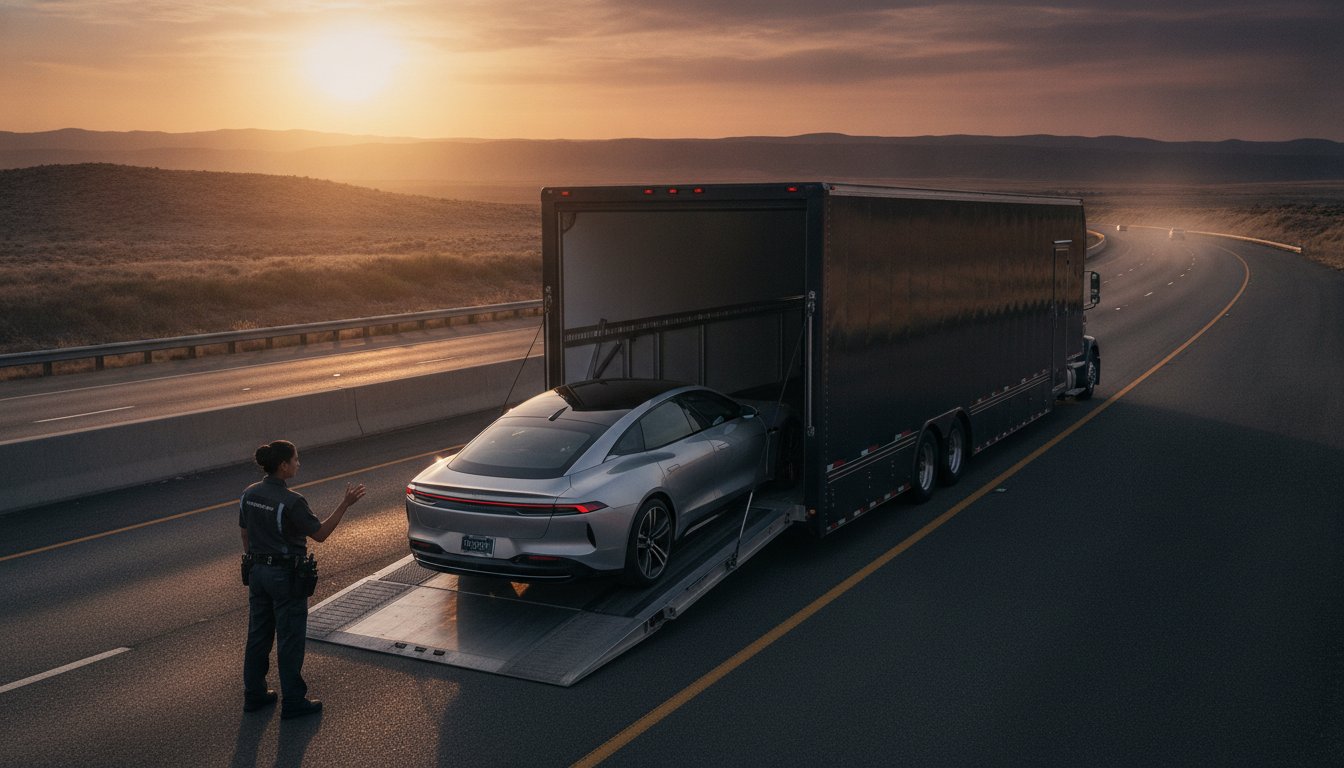
For flagship models like the Lucid Air or the Tesla Model S Plaid, enclosed transport is the non-negotiable gold standard. These trailers act as a protective vault, shielding the vehicle from extreme temperature fluctuations that can impact battery chemistry. Extreme heat or cold during a cross-country trek can lead to passive battery discharge or performance issues upon arrival. Enclosed transport mitigates these environmental stressors entirely, maintaining a more stable environment for the vehicle's high-capacity cells.
Security is another critical pillar of the enclosed experience. Premium EVs often feature active monitoring systems, such as Sentry Mode, which can remain active during transit. An enclosed environment provides a discreet, secure space that reduces the likelihood of these systems being triggered by external movement or curiosity. Furthermore, carriers specializing in this tier of service typically offer higher insurance limits that reflect the significant value of electric drivetrains and proprietary software. When you evaluate enclosed car transport fees, you're investing in a comprehensive safety net that covers every technical and physical nuance of your high-value asset. This level of care ensures that your vehicle's "brain" remains as pristine as its exterior, allowing for a seamless transition to your new destination.

Battery Safety and Pre-Transport Protocols
Ensuring the safety of an electric vehicle during transit requires more than just a secure trailer; it demands a precise management of the vehicle's internal chemistry. Unlike internal combustion engines, where a full tank of fuel is a standard condition, the state of charge in a lithium-ion battery significantly influences its stability. One of the most critical challenges of shipping an EV cross country is preparing the battery and software systems to endure a multi-day journey without degradation or power loss. Professional carriers look for specific parameters to ensure your vehicle remains a "live" asset from the moment of pickup to the final delivery.
The 30% to 50% Charge Rule
Industry experts recommend maintaining a state of charge (SoC) between 30% and 50% before your vehicle is loaded onto a carrier. This range represents the "sweet spot" where lithium-ion batteries are chemically most stable. Shipping a vehicle at a 100% charge increases internal stress and thermal sensitivity during the constant vibrations of long-haul travel. Conversely, arriving with a near-zero charge risks a "deep discharge" event. If a vehicle sits for two weeks during a cross-country relocation, small parasitic draws can deplete a low battery entirely. A mid-range charge provides a sufficient buffer for logistical movements while ensuring the vehicle has enough power for the final door-to-door delivery at your new residence.
Software and System Preparation
Modern EVs are equipped with specialized settings designed specifically for the logistics environment. Engaging "Transport Mode" is essential for vehicles with active air suspensions, as it prevents the system from constantly attempting to level itself against the movement of the trailer. This precaution saves both the suspension hardware and the battery. You should also disable non-essential features like Sentry Mode or "always-on" climate controls. These systems are excellent for daily security, but they can drain several percentage points of charge per day on a stationary vehicle. It's also vital to deactivate any active alarm systems; the natural vibrations of a moving carrier can trigger sirens, leading to unnecessary battery depletion and driver distraction.
Finally, ensure that your carrier has a physical key or a programmed fob. While mobile apps are convenient for daily use, they aren't reliable for logistical handoffs in areas with poor cellular reception. Providing a physical key ensures the vehicle remains rollable and accessible for necessary loading adjustments. If you're ready to arrange a secure move for your electric vehicle, consult with our logistics team to establish a customized transport plan that prioritizes your vehicle's technical health.
If you need a backup key or specialized fob programming before transport, Pro On The Go Locksmith offers mobile automotive services to ensure your vehicle is fully prepared for the carrier.
Executing a Seamless EV Move with GAATCO
With over 20 years of experience in the high-stakes world of vehicle logistics, GAATCO understands that an electric vehicle is more than a car; it's a significant technological investment. We serve as a bridge between your relocation needs and the complex operational realities of the modern transport industry. By addressing the technical challenges of shipping an EV cross country with a meticulous, human-centric approach, we ensure your vehicle's journey is as sophisticated as the machine itself. Our team provides a discreet and dependable partnership, handling the intricacies of specialized transport so you can focus on your transition.
Our commitment to excellence is reflected in our personalized door-to-door auto shipping service. We don't simply move assets; we manage a bespoke logistical flow tailored to the unique requirements of electric drivetrains. Every carrier in our expansive network is licensed, insured, and vetted for their technical expertise. This rigorous selection process ensures that the professionals handling your vehicle understand the nuances of high-value transport, from weight-sensitive loading to the protection of advanced autonomous hardware.
The GAATCO Professional Standard
Transparency is a non-negotiable pillar of our operational values. While the industry often fluctuates, we maintain a commitment to clear pricing structures that avoid hidden EV surcharges. Our dispatchers are seasoned experts who meticulously match your specific model with the correct carrier equipment. Whether you require a reinforced open rack or a climate-controlled enclosed trailer, we ensure the infrastructure matches the asset. This white-glove service remains consistent across every mile, providing a steady and measured rhythm of communication from a pickup in Miami to a final delivery in San Diego.
Finalizing Your Logistics
The final phase of a successful relocation relies on precise documentation and clear communication. A thorough Bill of Lading serves as your primary protection, detailing the vehicle's condition before it enters our care. It's also the ideal time to communicate any specific model quirks to the driver. Electric vehicles often feature unique hardware, such as flush-mounted door handles or specific electronic entry protocols, that require a gentle and informed touch. Sharing these details ensures that every logistical movement is handled with the appropriate level of seriousness.
Securing a sophisticated transport solution is the final step in protecting your high-tech investment. Our team is ready to provide the calm confidence and operational stability required for such a specialized move. You can take the next step toward a damage-free delivery by requesting your customized EV shipping quote today. Let us handle the complex logistics so you can enjoy the peace of mind that comes from working with a trusted industry advisor.
Securing Your Electric Investment for the Road Ahead
Navigating the complex landscape of modern automotive logistics requires more than just a trailer; it demands a partner who understands the technical soul of your electric vehicle. By prioritizing precise battery state-of-charge protocols and acknowledging the unique weight requirements of electric platforms, you ensure that your relocation is defined by safety and efficiency. The challenges of shipping an EV cross country are multifaceted, yet they are easily managed when you align with experts who view vehicle transport as a specialized craft.
GAATCO stands ready to serve as your trusted advisor, drawing on over 20 years of specialized auto transport experience. Our network consists of licensed and insured carriers who have undergone specific training to handle the nuances of high-performance electric drivetrains. We provide a seamless door-to-door delivery service across more than 15 major US hubs, ensuring that your high-tech asset is protected from the moment of pickup to the final delivery.
When you're ready to experience a transport solution that reflects the value of your vehicle, we invite you to Request a Professional EV Transport Quote from GAATCO. Your journey toward a damage-free, sophisticated delivery begins with a single, informed decision. We look forward to ensuring your asset arrives safely at its new destination.
Frequently Asked Questions
Is it more expensive to ship an electric vehicle than a gas car?
Yes, transporting an electric vehicle generally incurs higher costs than a standard internal combustion engine car. This price premium is primarily driven by the significant curb weight of the battery pack, which reduces the total number of vehicles a carrier can legally transport on a single trailer. Additionally, the specialized equipment and technical training required to manage high-voltage assets contribute to the overall investment for a secure, professional move.
Should I charge my EV to 100% before the carrier arrives?
You should avoid charging your vehicle to 100% before pickup. A state of charge between 30% and 50% is considered the industry standard for safe transit. This level provides sufficient power for loading and unloading while maintaining the chemical stability of the lithium-ion cells. High charge levels increase internal battery stress during long-haul vibrations, while a mid-range charge ensures your high-tech asset remains healthy and ready for use upon arrival.
Can my EV be shipped in an open trailer safely?
Electric vehicles can be shipped safely in open trailers, provided the carrier utilizes appropriate securement techniques for heavy loads. While this is a cost-effective solution for many owners, it does expose the vehicle to road debris and environmental elements. For premium models with sensitive autonomous sensors and high-end finishes, we often recommend enclosed transport to provide a physical barrier against external hazards during the journey across the country.
Does the weight of my EV affect the shipping time?
The substantial weight of an EV can indirectly influence your shipping timeline. Because carriers must adhere to strict federal weight limits, they have less flexibility when balancing their loads. This may result in longer wait times as dispatchers work to match your vehicle with a trailer that has the precise remaining weight capacity. Booking your transport window early is the most effective way to mitigate these scheduling complexities and ensure timely delivery.
Do I need to disable my car’s alarm and GPS tracking during transport?
It is essential to disable your vehicle's active alarm system to prevent battery drain caused by transit vibrations. However, you don't necessarily need to disable GPS tracking unless it is a specific requirement of the carrier. Most owners prefer to keep tracking active for peace of mind throughout the trip. You should also ensure that non-essential features, such as remote climate control, are turned off to preserve power during the journey.
Are EV batteries a fire risk during cross-country shipping?
When handled by specialized professionals, the fire risk associated with EV batteries is exceptionally low. Modern logistical protocols, including the 30% to 50% state-of-charge rule, are specifically designed to maximize battery stability during transit. Licensed carriers are trained to inspect vehicles for signs of damage or thermal issues before loading. This proactive approach ensures that the challenges of shipping an EV cross country are managed with the highest safety standards.
How does GAATCO handle the delivery of an EV in major cities like Houston or Chicago?
In major metropolitan hubs like Houston or Chicago, we provide a seamless door-to-door delivery service that accounts for urban navigational constraints. Our drivers utilize their expertise to find safe, accessible locations for unloading heavy electric assets. If your specific neighborhood has restricted access for large multi-car trailers, we coordinate with you to arrange a convenient meeting point nearby, ensuring a professional handoff that prioritizes your vehicle's safety and your personal convenience.
What happens if my EV battery dies during the transport process?
If a battery depletes entirely during transit, the vehicle is categorized as an inoperable asset. This status requires specialized equipment, such as a winch or a lift-gate, to safely move the vehicle off the trailer. To avoid the additional fees and logistical delays associated with inoperable transport, we strongly emphasize the importance of starting the journey with a sufficient charge buffer. Our team works closely with you to verify technical readiness before the move begins.


