Data from 2026 indicates that over 60% of motorcycle damage during transit is caused by improper securing and internal contact rather than road accidents. For the discerning owner, this statistic highlights that the best way to ship a motorcycle cross country involves more than simple transport; it requires a specialized logistical operation designed to preserve vehicle integrity. It's natural to feel a sense of anxiety when navigating ambiguous insurance limits or the variable standards of independent haulers. You require a service that treats your motorcycle with the same meticulous care you provide yourself.
This professional guide clarifies the most secure and efficient methods for transporting your motorcycle across the United States with total peace of mind. We'll examine the technical advantages of enclosed transport, the necessity of federal compliance, and the specific documentation required for a transparent, door-to-door experience. By the end of this article, you'll possess the expertise needed to ensure a scratch-free delivery handled by licensed professionals who understand the nuances of high-end transit.
Key Takeaways
- Compare the financial and mechanical implications of professional transport against the hidden costs you'll face with a DIY approach.
- Understand why it's often essential to select enclosed transport to protect the aesthetic and mechanical integrity of a high-value motorcycle.
- Explore how route density and vehicle dimensions influence the best way to ship a motorcycle cross country while maintaining a predictable budget.
- Learn the professional standards for vehicle preparation, including critical fluid level adjustments and thorough mechanical inspections.
- Discover how our established logistics network and licensed carrier partnerships ensure reliability for high-stakes vehicle relocation.
Evaluating Cross-Country Transport: Professional Shipping vs. DIY
The physical reality of a 2,000-mile journey across the United States is often underestimated. While the prospect of a solo ride from New York to San Diego sounds appealing, the mechanical toll on a high-performance machine is considerable. Beyond the immediate wear on tires and drivetrain components, one must account for the logistical fatigue of multi-day travel. When you factor in the rising costs of premium fuel, maintenance intervals, and quality lodging, the financial argument for riding often dissolves. Discerning owners recognize that the best way to ship a motorcycle cross country is to leverage a dedicated logistics infrastructure that prioritizes vehicle preservation over the uncertainty of the open road.
To better understand the nuances of these logistics and the associated costs, watch this helpful video:
Professional transport utilizes specialized equipment that differs fundamentally from standard auto transport trailers. While a general carrier might prioritize volume, a dedicated motorcycle service focuses on individual stability and protection. This distinction is vital when understanding auto transport brokers and how they vet carriers for high-stakes assignments. Our approach ensures that every vehicle is treated as a unique asset rather than a standard unit of cargo, utilizing engineered systems that mitigate the risks inherent in long-distance transit.
The Limitations of Personal Trailers and Rental Equipment
Renting a trailer might seem like a viable alternative, yet it introduces several technical vulnerabilities. Standard rental equipment rarely includes professional-grade chocks, which are essential for preventing lateral movement. Without these, the motorcycle relies entirely on tie-down tension, which can fluctuate with road vibration and temperature changes. Over a 2,000-mile span, this constant micro-movement can result in fork seal pressure or frame abrasions. Additionally, overnight stops during a DIY move create windows of vulnerability where the motorcycle is exposed to both the elements and potential theft in unsecured parking areas. Professional carriers eliminate these variables by using enclosed environments and engineered security protocols.
Professional Reliability and the Value of Time
Time remains the most valuable asset for our clients. A cross-country trip requires a commitment of four to seven days, a period better spent on professional or personal priorities. Determining the best way to ship a motorcycle cross country often comes down to the value of one's time and the desire for a predictable, scratch-free outcome. By utilizing our specialized transport services, you ensure your motorcycle arrives in cities like Houston or Seattle without the owner having to manage the complex operational flow of a long-distance move. Professional logistics providers utilize sophisticated routing to avoid congestion and hazardous terrain, delivering a level of reliability that personal transit cannot replicate. For those ready to secure their transport, you can request a customized quote to begin the process with a trusted partner.
Selecting the Optimal Transport Method: Open vs. Enclosed
Choosing between open and enclosed carriers is the most significant decision you'll make when determining the best way to ship a motorcycle cross country. While passenger vehicles often endure open transit with minimal risk, motorcycles possess delicate exposed components and a higher center of gravity that demand specialized handling. Professional logistics providers adhere to strict FMCSA safety regulations to ensure that every transport method meets federal standards for cargo securement and carrier reliability.
Long-haul vibration presents a silent threat to motorcycle integrity. Over thousands of miles, constant micro-oscillations can cause fasteners to loosen or hydraulic fork seals to weep if the bike is compressed too tightly. We mitigate this by utilizing soft-tie straps and front-wheel chocks. These tools secure the vehicle without metal-on-metal contact or excessive suspension compression. This level of precision is why dedicated motorcycle skids are superior to generic trailers, as they isolate the bike from the vibrations of the carrier itself.
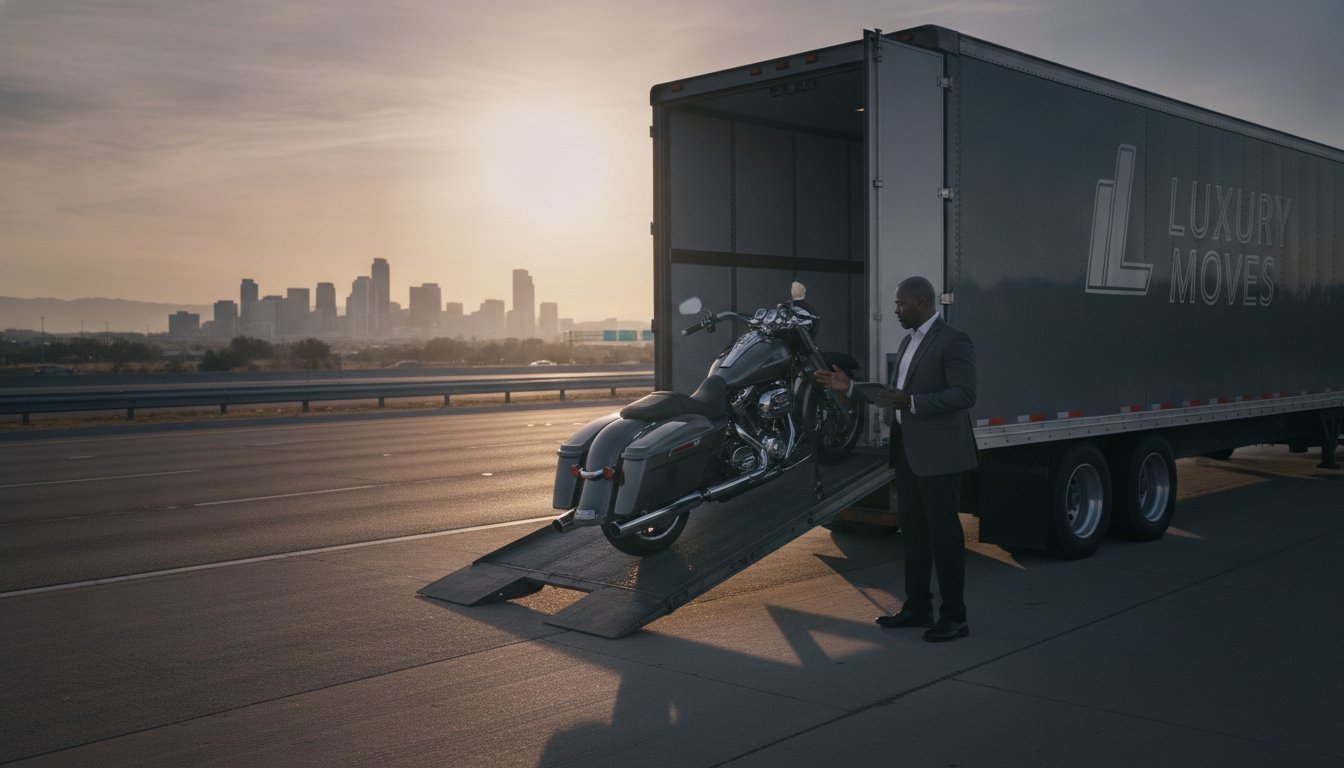
Security in transit involves more than just locking a trailer. Research from 2026 indicates that over 60% of motorcycle damage during transit results from improper securing or internal "bike-to-bike" contact rather than road accidents. We prevent this by utilizing specialized equipment like hydraulic lift-gates, which eliminate the steep angles of traditional ramps. By securing each vehicle on an individual skid, we ensure that your machine never makes contact with another vehicle or the trailer walls during its journey.
The Case for Enclosed Transport
Enclosed transport serves as the gold standard for cross-country relocation. It provides a controlled environment that shields your asset from road debris, acidic precipitation, and prolonged UV exposure. For vintage models or high-value modern machines, this method offers enhanced security protocols, as the vehicle remains out of sight within a locked, hard-sided trailer. This is particularly crucial when routes traverse diverse climates, from the humid Southeast to the arid Southwest.
When Open Transport is a Viable Solution
Open transport remains a practical option for shorter distances or for durable models where cosmetic perfection is less of a concern. It allows for frequent visual inspections by the driver during transit. However, it's essential to verify that your provider uses motorcycle-specific open trailers equipped with integrated tracks and chocks rather than generic car haulers. If you're unsure which method suits your specific itinerary, you may explore our specialized motorcycle shipping services to find a tailored solution.
Factors Influencing the Cost of Cross-Country Motorcycle Shipping
The fiscal logic behind vehicle logistics is often more complex than a simple distance calculation. While mileage is a primary driver, the operational density of a route dictates the final investment. Shipping between established logistics hubs like Atlanta and Dallas is generally more efficient than navigating rural corridors where carrier availability is limited. For many owners, the best way to ship a motorcycle cross country involves aligning with these high-density routes to optimize both cost and transit time. This strategic approach ensures that your vehicle remains within a high-flow operational network rather than sitting in a terminal awaiting a specialized carrier for a remote destination.
Vehicle dimensions and weight also play a significant role in space allocation. A standard sportbike occupies less "slot" space in a trailer than a fully dressed touring motorcycle or a custom trike. Carriers must calculate their capacity based on these physical footprints. Beyond the physical size, seasonal fluctuations heavily influence market rates. During the "Snowbird" season or the summer peak, demand for specialized transport often exceeds supply, which can lead to price adjustments. If you require a shortened delivery window, expedited shipping surcharges allow for prioritized routing and dedicated handling by our team of professionals.
Understanding the Pricing Structure
In 2026, professional logistics quotes typically bifurcate into base transport fees and variable fuel surcharges. Industry data indicates that while the average cost per mile for motorcycle transport is approximately $0.60, this rate often decreases to roughly $0.50 for journeys exceeding 1,000 miles. Door-to-door auto shipping offers a premium level of convenience compared to terminal-to-terminal services, which require the owner to manage the first and last leg of the journey. To receive a firm, transparent quote, providing precise dimensions and disclosing modifications is essential. Additionally, most carriers require the fuel tank to be less than 1/4 full to comply with safety regulations and weight restrictions.
Insurance Coverage and Liability Limits
Reliability is anchored in transparency regarding insurance. Before finalizing your booking, it's vital to review the carrier's cargo insurance policy. While federal law requires licensed carriers to maintain cargo coverage, basic liability limits often range from $10,000 to $15,000 per unit. For owners of high-value or vintage assets, comprehensive valuation coverage is the preferred safeguard to ensure total peace of mind. A meticulous professional protocol includes documenting the motorcycle's condition with high-resolution photography before it is loaded onto the trailer. This documentation serves as a definitive record for insurance purposes, ensuring that any rare transit issues are handled with the seriousness they deserve. For a personalized assessment of your transport needs, you may request a quote from our specialized logistics team.

Professional Preparation: Securing Your Motorcycle for Transit
Preparation is the hallmark of a professional logistical experience. It ensures that the transition from your private garage to the carrier's specialized trailer is seamless and documented. The best way to ship a motorcycle cross country begins with a meticulous cleaning of the vehicle. This process isn't merely for aesthetics; a clean motorcycle allows for a precise visual inspection, ensuring every surface is visible before transit begins. Once the machine is pristine, you should conduct a detailed mechanical inspection to ensure there are no active fluid leaks that could compromise the safety of the trailer environment.
Documenting the pre-existing condition of your asset is a non-negotiable step in our professional protocol. We recommend taking high-resolution photography from multiple angles, focusing on the wheels, handlebars, and exhaust system. These images provide a definitive baseline of the vehicle's state. Additionally, you must manage all non-permanent accessories. Items such as GPS units, toll transponders, and detachable saddlebags should be removed and transported separately. These components are susceptible to the consistent vibrations of long-haul travel and are best kept in your personal possession to prevent loss or mechanical stress.
The Pre-Transport Checklist
- Step 1: Clean the motorcycle thoroughly to ensure all surfaces are visible for a detailed inspection.
- Step 2: Note any existing scratches, dents, or mechanical nuances on the Bill of Lading during the handover.
- Step 3: Reduce fuel to approximately one-quarter tank. This is a critical safety regulation that minimizes fire hazards and reduces unnecessary weight.
- Step 4: Disable all alarm systems. Persistent vibrations during transit can trigger sensors, leading to a depleted battery upon arrival.
Handover and the Bill of Lading
The Bill of Lading serves as the primary legal contract between the owner and the logistics provider. It's a sophisticated document that records the condition of the motorcycle at the point of origin and again at the destination. When our licensed professionals arrive, you'll conduct a joint inspection to verify the vehicle's status. This transparency ensures that both parties are aligned before the journey begins. Reviewing the details of this report before signing is essential for maintaining the integrity of the transport process. For those seeking a partner who prioritizes this level of meticulous detail, you can request a professional shipping quote today to secure your vehicle's itinerary.
By following these preparatory steps, you align your efforts with the best way to ship a motorcycle cross country, ensuring that the logistics team can focus on what they do best: providing a secure, scratch-free delivery. Our collective goal is to handle the complex operational realities so you can focus on the road ahead at your destination.
Why GAATCO is the Premier Choice for Motorcycle Logistics
GAATCO stands as a bridge between complex operational realities and our clients' specific needs. With over 20 years of expertise in high-stakes vehicle relocation, we've refined a logistical framework that prioritizes safety and discretion. For enthusiasts and collectors, finding the best way to ship a motorcycle cross country means selecting a partner that understands the mechanical and aesthetic value of their asset. We operate with a calm confidence derived from decades of navigating the nuances of the American transport landscape, ensuring every vehicle is treated as a priority.
Our commitment to transparency begins with our carrier network. Every partner within our system is meticulously vetted to ensure they meet stringent licensing and insurance requirements. While some large-scale brokers focus on volume, we prioritize the integrity of the transport. This includes maintaining comprehensive cargo insurance that meets the high standards required for luxury, classic, and Military Vehicle Shipping. We provide a level of regional expertise that bridges the gap between global standards and local service nuances, ensuring your motorcycle is handled by professionals who understand the critical urgency of specialized transport.
Our Specialized Transport Options
We provide a suite of services designed to accommodate the diverse requirements of our clientele. For those seeking the highest level of protection, our Enclosed Carrier Transport offers a climate-controlled environment that shields your motorcycle from all external variables. Alternatively, our Open Car Transport provides a reliable and cost-effective solution for standard relocations without compromising our core operational values. Each journey is customized to your specific schedule, utilizing door-to-door solutions that eliminate the logistical burden from the owner.
The GAATCO Difference: Professionalism and Precision
The GAATCO experience is defined by a quiet luxury that reflects our high-stakes industry. We don't rely on aggressive marketing; instead, we maintain a steady and measured rhythm of communication that reassures our clients. Our seasoned experts handle every detail of the cross-country route, from metropolitan hubs to regional destinations, with meticulous attention to detail. Determining the best way to ship a motorcycle cross country involves evaluating the experience and reliability of the team behind the trailer. This elite yet approachable persona ensures that you're working with a trusted advisor rather than just a service provider. To experience this level of logistical excellence, you can Request a customized motorcycle shipping quote today and begin your journey with total peace of mind.
Securing Your Motorcycle's Future Transit
Navigating the complexities of long distance vehicle relocation requires more than just a trailer; it demands a commitment to engineered security and operational precision. We've explored how professional logistics mitigate the mechanical risks of travel while providing a level of protection that personal transit cannot replicate. By prioritizing specialized enclosed transport and adhering to meticulous preparation protocols, you ensure your asset maintains its integrity from pickup to delivery. The best way to ship a motorcycle cross country ultimately depends on partnering with a team that values your vehicle as much as you do.
With over 20 years of industry experience and a network of licensed, fully insured carriers, we provide a sophisticated bridge between your logistical needs and a scratch-free arrival. Our specialized enclosed transport options offer the ultimate safeguard against the elements and road debris. We handle the complex operational realities so you can focus on the road ahead at your destination. We invite you to Request a Professional Motorcycle Shipping Quote to begin your journey with a trusted advisor. Your motorcycle deserves the highest standard of care, and we're here to deliver it with absolute reliability.
Frequently Asked Questions
What is the average time for cross-country motorcycle shipping?
Transit times for a 2,500-mile journey typically range from 7 to 14 days. This window accounts for the meticulous loading protocols and the logistical coordination required for multi-vehicle routes. While direct routes between major hubs like New York and Miami are often faster, regional deliveries may require additional time for precise coordination. Our team prioritizes a steady, measured pace to ensure the safety of your asset throughout the transit.
Is enclosed transport necessary for all motorcycles?
Enclosed transport is highly recommended for high-value or vintage machines, though open carriers remain a viable option for standard models. For many, the best way to ship a motorcycle cross country involves utilizing a hard-sided trailer to eliminate exposure to road debris and precipitation. This specialized environment provides a controlled atmosphere that preserves the aesthetic and mechanical integrity of your motorcycle during long-distance relocation.
Does my motorcycle insurance cover it during professional shipping?
Your personal motorcycle insurance may provide limited coverage, but the carrier’s cargo policy serves as the primary protection during transit. Federal regulations require licensed carriers to maintain a minimum of $100,000 in cargo coverage. It's essential to verify the specific liability limits of your carrier before booking to ensure they align with the current valuation of your machine at the time of transport.
Can I ship personal items or gear with my motorcycle?
Carriers generally prohibit the inclusion of personal items or loose gear within the trailer for safety and weight compliance. Items such as helmets, riding jackets, or detachable GPS units should be transported separately. Removing these accessories prevents potential loss and ensures that the motorcycle remains securely fastened to its dedicated skid without internal obstructions during the cross-country journey.
How do I know if a motorcycle transport company is legitimate?
A legitimate transport entity must possess a valid USDOT number and comply with FMCSA safety regulations. You can verify these credentials through the Department of Transportation’s official portal. Established providers like GAATCO leverage over two decades of industry experience, offering a level of transparency and reliability that independent, unverified haulers can't match in the specialized vehicle relocation market.
What happens if my motorcycle is damaged during transit?
If you identify damage upon delivery, you must document it on the Bill of Lading before signing for the vehicle. This legal document is the foundation of any insurance claim. By comparing the delivery condition with your high-resolution pre-transport photography, you provide a clear record for the claims adjuster. Our licensed professionals facilitate a thorough joint inspection to ensure complete transparency at the destination.
Do you offer military discounts for motorcycle shipping?
We offer specialized solutions for those requiring Military Vehicle Shipping, including tailored logistical support for service members. These services are designed to accommodate the unique schedules and requirements of military relocations across the United States. We recognize the critical urgency of these moves and provide a dedicated team to manage the complexities of base-to-base or door-to-door transport with professional precision.
Is door-to-door delivery available in every city?
Door-to-door service is available in most major metropolitan areas and suburban neighborhoods across the country. In instances where local ordinances or narrow streets don't allow a large carrier to reach your specific residence, our drivers will coordinate a convenient meeting point nearby. This ensures the safety of the vehicle while maintaining the convenience of a professional, localized handover at both the point of origin and the final destination.


