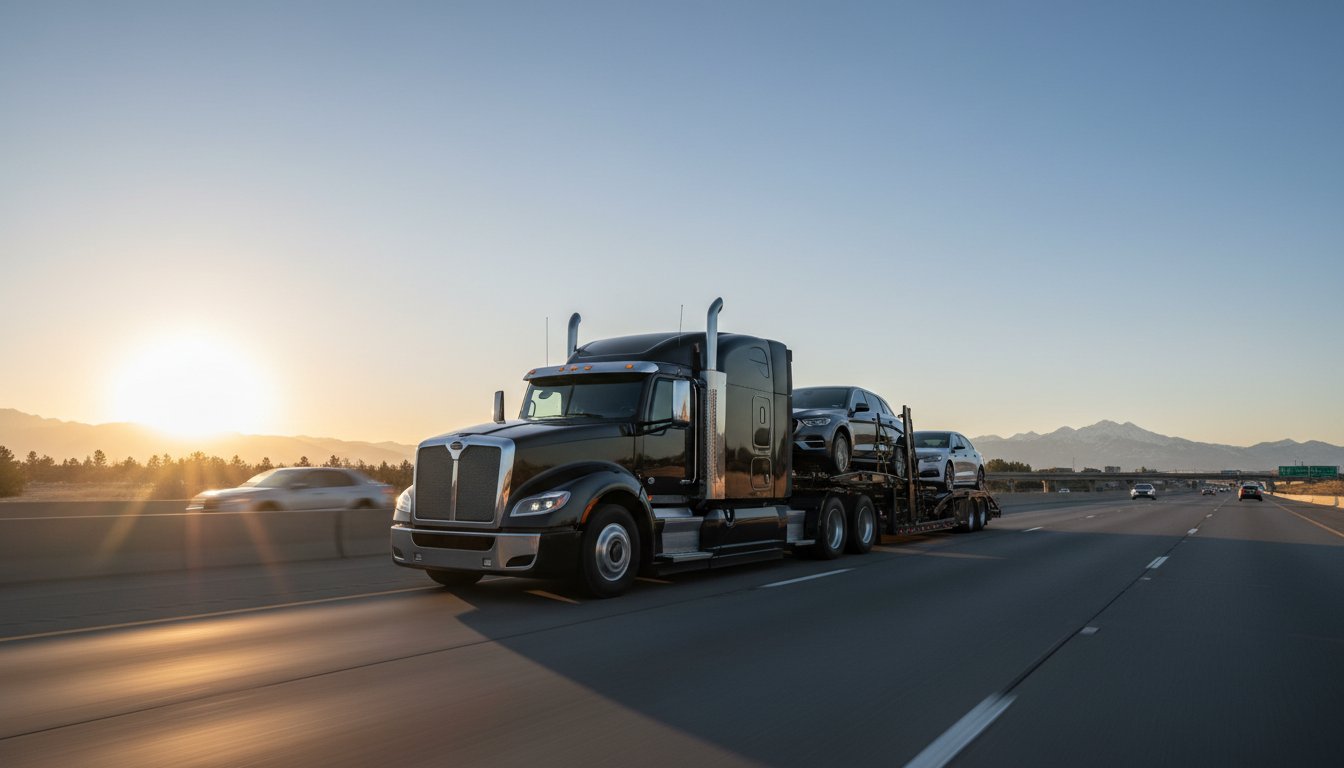
The true cost of a 2,500-mile transit is rarely found on a bill of lading; it's measured in the silent erosion of a vehicle's mechanical integrity and the compounding stress of logistical uncertainty. You likely understand that entrusting a high-value asset to a carrier is not merely a transaction but a significant leap of faith. The complexities of cross country car shipping often transform a simple relocation into a gauntlet of opaque insurance policies and fluctuating delivery windows. Since 2023, industry data suggests that nearly 15% of long-haul transport delays stem from inadequate carrier vetting rather than road conditions.
The intricacies of cross country car shipping require a deep understanding of the national supply chain. It's not merely about moving a vehicle from point A to point B; it's about managing a high-value asset through a complex network of weigh stations, rest mandates, and fuel stops. For high-net-worth individuals and corporate clients, this process must be invisible and flawless. Many choose to coordinate their vehicle transport with a comprehensive relocation plan from a family-owned specialist like Atlantic Group USA to ensure all assets arrive with synchronized precision. The logistical burden rests on the provider, ensuring the client's schedule remains uninterrupted by the realities of long-distance transport.
We've developed this comprehensive framework to replace that anxiety with the calm confidence of professional oversight. This guide provides the bespoke strategies necessary to secure a damage-free delivery and ensure transparent, all-inclusive pricing from the outset. You will learn how to verify carrier legitimacy through Federal Motor Carrier Safety Administration records and implement a logistics plan that mirrors the precision of private aviation. We'll walk through the essential checkpoints of the 2026 transport landscape to ensure your vehicle arrives in pristine condition.
Key Takeaways
- Gain a comprehensive understanding of long-haul logistics to ensure the integrity of your vehicle during an extensive 2,500-mile transit.
- Discern whether bespoke enclosed protection or standard open-air transport best aligns with your vehicle's specific requirements and value.
- Learn to navigate the financial complexities of cross country car shipping by analyzing how weight, dimensions, and fuel surcharges dictate premium pricing.
- Implement a meticulous pre-shipment inspection protocol to safeguard your investment through every phase of the logistics operation.
- Leverage the expertise of a seasoned partner to navigate the nuances of national carrier networks with absolute confidence and discretion.
Understanding the Logistics of Cross Country Car Shipping
Cross country car shipping represents a sophisticated logistics challenge that transcends simple towing. A typical journey spanning over 2,500 miles requires a meticulous orchestration of equipment, timing, and regulatory compliance. The Department of Transportation, specifically through the Federal Motor Carrier Safety Administration, enforces strict safety protocols for interstate carriers. This oversight ensures that long-haul operations maintain the highest standards of safety and mechanical integrity. Professional management is vital to mitigate the risks associated with multi-state transit, where weather patterns and infrastructure conditions vary significantly. By 2026, the integration of real-time telematics has become standard, allowing for precise tracking across the 48 contiguous states.
The intricacies of cross country car shipping require a deep understanding of the national supply chain. It's not merely about moving a vehicle from point A to point B; it's about managing a high-value asset through a complex network of weigh stations, rest mandates, and fuel stops. For high-net-worth individuals and corporate clients, this process must be invisible and flawless. The logistical burden rests on the provider, ensuring the client's schedule remains uninterrupted by the realities of long-distance transport.
The Scope of National Vehicle Relocation
Regional towing usually covers distances under 500 miles; national transport involves complex route optimization across major corridors like I-80 or I-10. Professional carriers analyze 2026 fuel efficiency data and traffic patterns to minimize idle time. Long-Haul Auto Transport is a strictly regulated logistics category that mandates specific licensing and insurance for carriers operating across state lines. Often, an auto transport broker serves as the essential intermediary, vetting carriers to ensure they meet these rigorous federal standards. This vetting process is a non-negotiable pillar of a secure transit plan, providing a layer of protection that regional services simply don't offer.
The Value of Door-to-Door Logistics
Traditional terminal-to-terminal models often introduce unnecessary friction and potential for damage during storage. A bespoke door-to-door approach offers a seamless experience, where the vehicle remains on a single trailer for the duration of the trip. Professional drivers possess the expertise to navigate residential streets that require precise maneuvering for large multi-car haulers. Having a dedicated point of contact provides peace of mind throughout the 7 to 10 day transit period typical of cross country car shipping. It's a service model built on transparency and direct communication. This high-touch approach ensures that every detail, from the initial inspection to the final delivery, is handled with the precision expected by discerning clients. The logistics team monitors every mile to ensure the vehicle arrives in pristine condition, reflecting a commitment to excellence that defines the industry's elite tier.
Open vs. Enclosed Carriers: Selecting the Appropriate Protection
Choosing the correct transit method for cross country car shipping requires a calculated assessment of your vehicle's value and the environmental variables of the journey. While the logistics of long-distance transport remain complex, the decision often centers on the level of physical isolation required to maintain the asset's condition. Professional carriers offer two distinct structural solutions, each designed to meet specific operational standards and client expectations. This choice is the first step in a refined logistics strategy that prioritizes the integrity of your automotive investment.
Open Carrier Transport: The Industry Standard
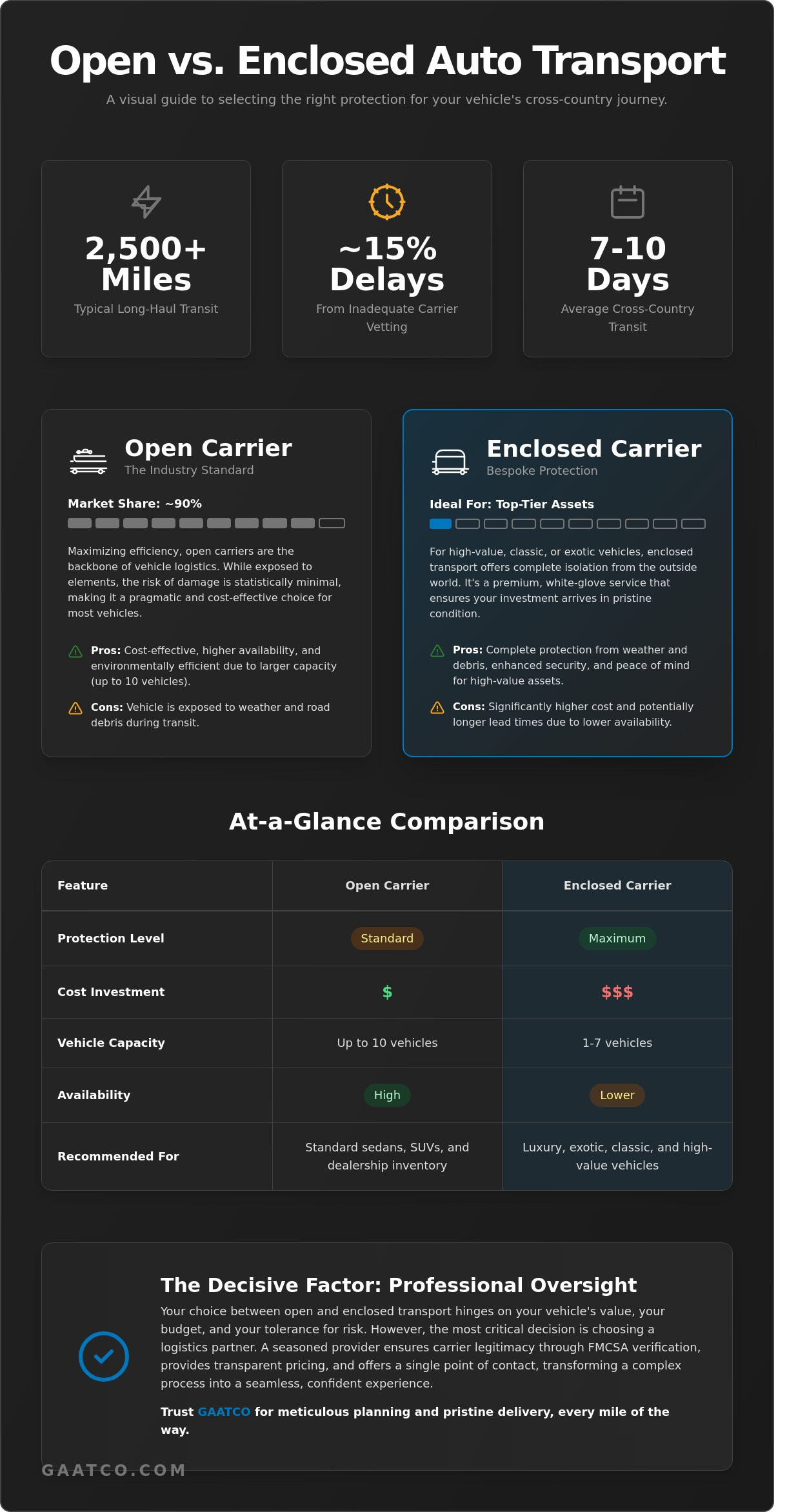
Open-air trailers are the backbone of the automotive logistics sector. These multi-car configurations maximize efficiency by transporting up to 10 vehicles simultaneously, which significantly reduces the carbon footprint and per-unit cost. Data from 2024 indicates that approximately 90% of all professional vehicle relocations in the United States utilize this method. While the vehicle remains exposed to weather and road debris, the actual risk of physical damage is statistically minimal. All reputable operators must adhere to strict FMCSA regulations to ensure safety protocols are followed during every mile of the transit. This approach is the pragmatic choice for standard daily drivers where the primary goal is reliable, timely delivery. When coordinating cross country car shipping for high-volume needs, the open carrier remains the most efficient tool in the industry.
Enclosed Transport: The Premium Protocol
For high-net-worth individuals and collectors, enclosed transport represents a bespoke solution that prioritizes absolute preservation. These trailers are generally categorized into two tiers: soft-side, which uses heavy-duty vinyl curtains, and hard-side, which provides a rigid, dust-proof environment. Hard-side trailers offer the highest level of protection against external elements, including moisture, salt, and industrial fallout. Specialized handling is a hallmark of this service. We frequently see the use of hydraulic lift gates and low-clearance ramps to accommodate vehicles with minimal ground clearance, such as modern supercars or vintage racers. This method isn't just about physical safety; it's about the peace of mind that comes from knowing an asset is shielded from public view and environmental hazards throughout its journey.
Evaluating the cost-to-protection ratio involves looking beyond the immediate invoice. For a vehicle valued over $100,000, the incremental cost of an enclosed trailer is a minor investment in risk mitigation. Conversely, for a standard sedan, the open-air method provides a seamless balance of security and value. Selecting a partner that understands these tailored logistics solutions ensures your vehicle arrives in the exact condition it departed, regardless of the distance traveled. The decision ultimately rests on the specific requirements of the vehicle and the client's tolerance for environmental exposure.
The Financials: What Determines Your Shipping Investment?
The cost of cross country car shipping involves a sophisticated interplay of logistics, equipment, and timing. It's not merely a transaction; it's a managed relocation of a high-value asset. While a base rate serves as a starting point, the final investment reflects the specific requirements of your vehicle and the current market environment. Carriers evaluate the dimensions and weight of each asset to determine fuel consumption and space allocation on the transport trailer. A standard sedan occupies less volume than a bespoke SUV, and this difference dictates the operational overhead. Heavier vehicles, such as the 2025 electric models that often exceed 6,000 pounds, require more robust equipment and higher fuel expenditure.
Fluctuations in the calendar significantly impact carrier availability and pricing. During the peak "snowbird" migration months of October and April, demand on certain corridors can increase by 30 percent. This shift often results in limited carrier capacity for those seeking immediate transport. When reviewing options, savvy clients analyze consumer sentiment on car shipping companies to distinguish between premium service providers and budget-level brokers. Low-tier quotes frequently omit terminal charges or fuel adjustments that appear only after the contract is signed. Avoiding these hidden fees requires a meticulous review of the service agreement before any deposit is made.
Key Pricing Variables in 2026
Fuel market volatility in 2026 continues to influence long-distance logistics. Many carriers now utilize dynamic surcharges based on real-time diesel or alternative energy indices. If your timeline is restricted, expedited service surcharges provide priority loading, often utilizing a dedicated two-person driver team to minimize stationary time. Additionally, an inoperable vehicle status necessitates specialized winching equipment. This requirement typically adds a fixed fee to the logistics plan because it increases the labor intensity of the loading and unloading process.
Insurance and Liability Frameworks
The Bill of Lading is the most important legal document in any cross country car shipping agreement. It serves as both a receipt and a condition report, documenting the state of the vehicle at the moment of exchange. You should verify the carrier's insurance limits to ensure they align with the current valuation of your asset. Standard policies may cover up to $100,000 for open transport, but high-value vehicles often require supplemental coverage or enclosed transport options with higher limits. A professional quote should always include full insurance disclosure to ensure transparency and peace of mind for the duration of the journey.
Professional Protocol for Vehicle Departure and Arrival
The transition of a high-value asset from a private residence to a specialized carrier involves a structured sequence of events. Success in cross country car shipping depends on the meticulous execution of these protocols to ensure the safety of the vehicle and the integrity of the contract. We view the departure and arrival as the most critical phases of the logistics chain. This process begins with the "Pre-Shipment Inspection," a collaborative walkthrough where the client and the driver document the vehicle's exact state. Professionalism in this exchange eliminates ambiguity and establishes a baseline for accountability.
Managing expectations regarding timing is equally vital. While modern tracking software provides real-time updates, you should anticipate a pickup window of 24 to 48 hours. Factors such as regional traffic patterns, terminal logistics, and mandatory driver rest periods mandated by the Federal Motor Carrier Safety Administration (FMCSA) influence these schedules. A seasoned logistics partner will maintain constant contact, providing a 12-hour and 2-hour notice prior to the carrier's arrival to ensure a seamless handover.
The Pre-Transit Checklist
Preparing a vehicle for long-distance transport requires more than a simple car wash. Federal Department of Transportation (DOT) regulations, specifically those governing weight and safety, strictly prohibit the transport of personal items within the vehicle. This is not a suggestion; it's a regulatory requirement because carrier insurance typically covers only the vehicle and not loose interior cargo. Furthermore, removing these items prevents interior damage during the subtle shifts of transit.
- Fuel Levels: Maintain exactly a quarter-tank of fuel. This provides enough for loading maneuvers while reducing the total weight by approximately 50 to 80 pounds.
- Mechanical Status: Ensure there are no active fluid leaks. Carriers often stack vehicles; a leak from an upper deck can damage the finish of a vehicle below.
- Visual Documentation: Capture high-resolution, 12-megapixel photographs of the exterior, interior, and odometer. These digital records provide an undeniable timestamp of the vehicle's condition.
Receiving Your Vehicle Safely
The arrival of your vehicle marks the final phase of the logistics cycle. You must conduct the destination inspection under appropriate lighting conditions. If a delivery occurs after sunset, utilize a high-lumen LED torch to inspect the body panels and glass. The "Post-Shipment" report is your primary legal protection. It's essential to compare the vehicle's current state against the original Bill of Lading created at departure.
If you identify any discrepancies, you must document them on the Bill of Lading before the driver leaves the site. Professional logistics coordinators recommend taking immediate photographs of any concerns and sharing them with your dedicated service team. This immediate communication ensures that any necessary claims are initiated within the standard 24-hour reporting window required by most premium insurance providers. Our team remains committed to overseeing these details so the client doesn't have to manage the complexities of recovery alone.
Explore our bespoke transport logistics for your next long-distance relocation.
Seamless Logistics: Why Professional Oversight Matters
Navigating the complexities of cross country car shipping requires more than just a trailer and a driver; it demands a sophisticated logistical framework. GAATCO brings 20 years of seasoned expertise to the American transport industry. Since our inception in 2006, we've refined a process that prioritizes precision and safety above all else. We don't simply act as a middleman. Instead, we function as your dedicated logistics partner, overseeing every detail from the initial dispatch to the final delivery.
Our curated network of licensed carriers serves as the foundation of our reliability. We vet each operator against stringent internal standards, ensuring that 100% of our partners maintain high safety ratings and comprehensive insurance coverage. This rigorous selection process allows us to maintain a consistent standard of excellence across every state line. Our commitment to transparent communication means you receive regular updates, eliminating the uncertainty often associated with long-distance transport.
Our Commitment to Excellence
We provide tailored solutions for a diverse range of requirements, whether you're relocating a single sedan or a fleet of vintage exotic vehicles. Our human-centric approach distinguishes us in an industry increasingly dominated by automated bots. You'll speak with a dedicated specialist who understands the nuances of your transport needs. This commitment to personal service has defined our 20-year legacy, allowing us to manage complex relocations with a focus on non-negotiable safety standards.
- Bespoke transport plans for luxury and high-value assets.
- Direct access to logistics experts rather than automated call centers.
- A proven track record spanning two decades of domestic service.
Initiating Your Bespoke Transport Plan
Securing your cross country car shipping window begins with a transparent, comprehensive quote. We eliminate the ambiguity often found in logistics by providing clear timelines and specific service details. To lock in your preferred schedule, our team coordinates with the highest-rated carriers in our network to ensure your vehicle arrives within the agreed-upon timeframe. Our process is designed to be seamless, allowing you to focus on your transition while we handle the operational realities of the road.
Experience the gold standard in vehicle relocation with GAATCO.
Securing Your Vehicle’s Journey Across the Continent
Navigating the complexities of cross country car shipping requires more than a mere transaction; it demands a partnership rooted in precision and absolute trust. Selecting the appropriate carrier protection and understanding the nuanced logistics of national transport are essential steps in preserving the integrity of your asset. With over 20 years of established industry expertise, we ensure that every detail is managed with the meticulous attention typical of private aviation standards. Our fully licensed and insured national carrier network across all 50 states provides a foundation of safety that remains a non-negotiable pillar of our service.
By prioritizing professional oversight, you eliminate the variables that often complicate long-distance moves in 2026. It's our mission to provide a transition defined by reliability and understated elegance. Our team remains dedicated to providing seamless, door-to-door delivery solutions tailored to your specific requirements. We look forward to facilitating your next transport with the care and sophistication it deserves. Please Request a Bespoke Auto Transport Quote to begin your journey.
Frequently Asked Questions
How much does it cost to ship a car across the country in 2026?
The cost of cross country car shipping in 2026 depends on the specific distance and the current national fuel price index. Professional transport services typically calculate rates based on a base fee plus a per-mile charge that accounts for the 12 percent increase in logistics overhead recorded since 2023. We recommend requesting a bespoke quote to ensure accuracy, as seasonal demand can influence pricing by 20 percent during peak summer months.
How long does it typically take to ship a vehicle from coast to coast?
Transit times for coast to coast transport usually range from 7 to 10 calendar days. Carriers cover approximately 400 to 500 miles per day while adhering to Department of Transportation safety regulations regarding driver hours. Factors such as the 3,000 mile distance between New York and Los Angeles require careful scheduling to maintain a seamless delivery timeline. External variables like weather patterns or road construction can occasionally add 48 hours to the estimated arrival.
Is my vehicle insured while it is on the trailer?
Your vehicle is protected by the carrier cargo insurance policy throughout the duration of the journey. Federal law requires interstate haulers to carry a minimum of $100,000 in coverage, though premium carriers often provide up to $500,000 for high value assets. We provide a comprehensive inspection report at both pickup and delivery to document the condition of the automobile. This ensures total transparency and peace of mind for our clients during the cross country car shipping process.
Can I put personal belongings inside my car during transport?
Transport providers generally do not allow personal belongings to remain inside the vehicle during transit. The Department of Transportation prohibits the carriage of household goods by auto transporters, and these items are not covered by the carrier insurance policy. Exceeding weight limits can result in fines of $500 or more at state weigh stations. We advise removing all individual items to ensure a secure and efficient logistics process.
To manage the relocation of your household assets that cannot be transported within your vehicle, you can learn more about Southern Elite Van Lines for expert long-distance moving assistance.
What is the difference between a broker and a direct carrier?
A broker acts as a logistics intermediary that connects clients with a vast network of vetted transporters. In contrast, a direct carrier owns the physical fleet and handles the manual movement of the vehicle. Approximately 85 percent of transport transactions involve a broker to ensure access to a wider range of specialized equipment. Both entities play a vital role in creating a bespoke shipping experience tailored to specific regional requirements.
Do I need to be present for the pickup and delivery of my vehicle?
Either the vehicle owner or a legal representative over the age of 18 must be present for both pickup and delivery. This requirement is essential for the completion of the Bill of Lading, which serves as the official record of the vehicle condition. The 20 minute inspection process ensures that all parties agree on the state of the car before it enters the logistics chain. If you cannot attend, you may appoint a trusted agent to manage the handover.
What happens if my car is damaged during the shipping process?
In the rare event of damage, you must note all discrepancies on the Bill of Lading before the driver departs the delivery location. This document is the primary evidence required for an insurance claim. Statistics from the 2023 industry safety report indicate that 99.2 percent of professional transports are completed without incident. Should a claim be necessary, our dedicated team will guide you through the resolution process with the carrier insurance provider.
Can you ship a car that does not run (inoperable)?
We can facilitate the transport of inoperable vehicles provided they still roll, steer, and brake. Shipping a non running car requires a trailer equipped with a winch or a forklift, which typically adds a service fee of $150 to $200 to the total cost. You must notify the logistics coordinator in advance so that we can assign a carrier with the appropriate technical specifications. This ensures a safe and seamless loading process for your asset.


